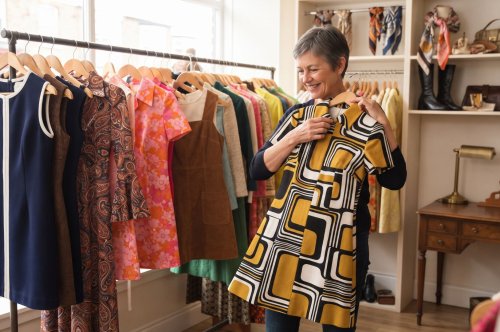
Mod Style: A Guide to 1960s Mod Fashion and How to Wear It Today
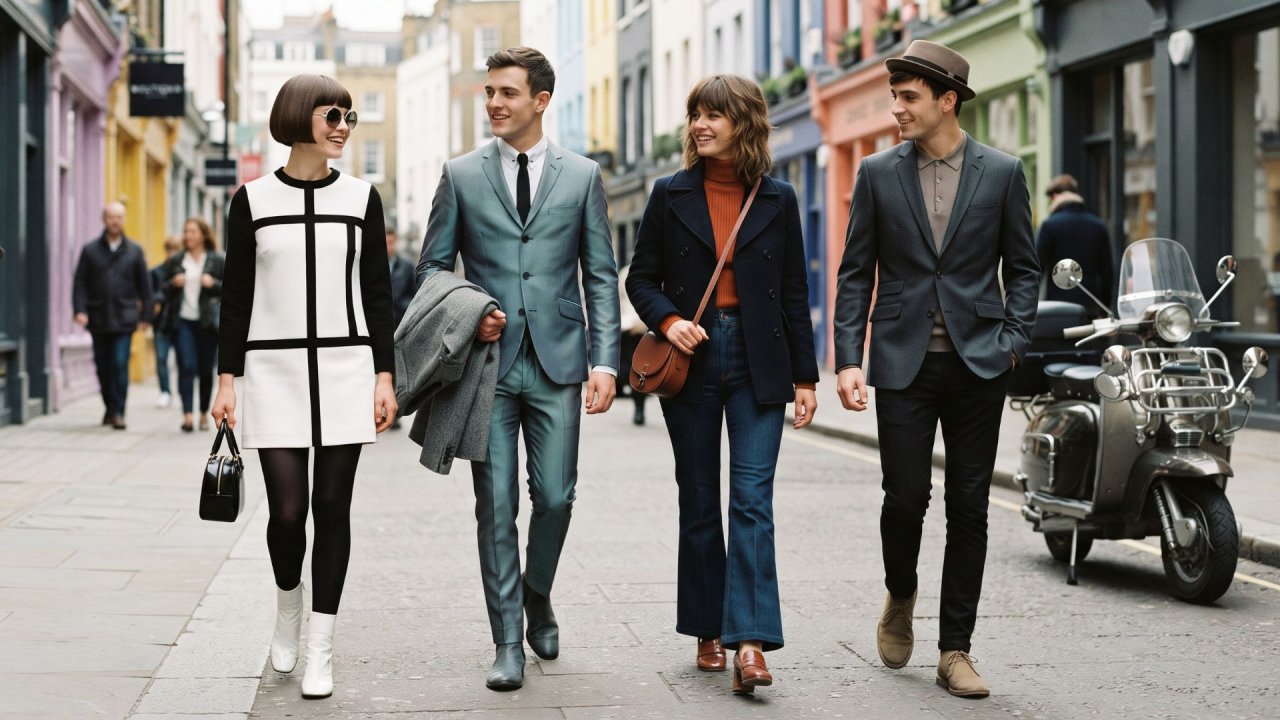
Mod Style: A Guide to 1960s Mod Fashion and How to Wear It Today
Mod style is sharp, clean, and confident. It grew out of a youth movement in 1960s Britain and became one of the most influential looks in fashion history. Tailored suits, simple shapes, bold graphic prints, and neat details still feel fresh today, which is why mod keeps coming back.
This guide covers where mod style came from, the signature pieces for women and men, the colors and patterns to look for, the accessories that finish the look, and how to wear mod style in a modern wardrobe.
Read More: https://vintike.com/blog/vintage-clothing/1920s-fashion
What Is Mod Style?
“Mod” is short for “modernist.” The mods were young people in 1960s Britain who cared about music, scooters, and looking exceptionally well put together. Mod style is built on neat tailoring, clean lines, and a modern attitude, rather than flashy decoration.
The Core Ideas of Mod
- Sharp and neat: well-fitted clothes with clean finishing.
- Modern and forward-looking: new shapes and fresh ideas over tradition.
- Details matter: the right collar, the right trouser break, the right shoe.
- Youthful confidence: clothes that look good on the street, on a scooter, or on a dance floor.
Where Mod Style Came From
Youth Culture in 1960s Britain
Mod began in London among young people who loved modern jazz, soul, and rhythm and blues. Many worked in offices and shops and spent their wages on clothes and music.
Tailoring and Continental Influence
Early mods admired sharp Italian and French tailoring. They wanted slim suits, neat shirts, and clean silhouettes that looked different from older styles.
From Subculture to Mainstream
As the decade went on, mod influenced mainstream fashion. Shorter hemlines, bold prints, and sleek shapes spread through shops, magazines, and television, and became part of the wider look of the 1960s.
Mod Style for Men
The Slim Suit
A sharply tailored suit with narrow lapels, a slim cut, and clean lines is the heart of mod menswear.
Parka Jackets
The hooded, olive-green parka became a practical, recognisable mod piece, worn over a suit to protect it from the weather.
Polo Shirts and Button-Down Shirts
Neat collars and crisp fabrics kept the look smart. Knitted polos and button-down shirts were popular for casual wear.
Knitwear
Fine-knit jumpers, V-necks, and cardigans layered easily under jackets.
Narrow Trousers
Slim, well-pressed trousers, often worn slightly short to show off shoes.
Harrington-Style Jackets and Short Jackets
Light zip jackets with a simple collar gave a neat, casual option.
Footwear
Chelsea boots, loafers, desert boots, and clean leather shoes were common choices.
Mod Style for Women
Shift Dresses
Simple, straight dresses with clean lines, in plain colors or bold prints, are the signature mod women’s piece.
Mini Skirts and Short Hemlines
Shorter lengths became a defining feature of 1960s fashion and are closely linked to mod style.
Tailored Trouser Suits and Blazers
Sharp jackets and slim trousers gave a confident, androgynous look.
Turtlenecks and Fine Knits
Slim knitted tops in solid colors paired well with skirts and trousers.
Colour-Block and Geometric Dresses
Panels, stripes, and contrasting blocks reflected the era’s love of modern design.
Coats and Capes
Neat A-line and boxy coats in bold colors added a graphic finish.
Footwear
Flat or low-heeled boots, ballet flats, and kitten heels kept the look youthful and easy to move in.
Mod Colors and Patterns
Colors
- Black and white: crisp and graphic.
- Navy, grey, and charcoal: classic tailoring shades.
- Olive green: typical of parkas and outerwear.
- Bright primaries: red, yellow, and royal blue as bold accents.
- Pastels and soft tones: popular for dresses and knitwear.
Patterns
- Op art and geometric prints: strong lines, circles, and checks.
- Houndstooth and dogtooth: neat, sharp patterns for jackets and skirts.
- Stripes: especially bold or horizontal stripes on knitwear.
- Target and roundel motifs: circles with concentric rings.
- Polka dots: playful but clean.
The common thread is graphic clarity. Patterns are bold, but the shapes of the garments stay simple.
Mod Accessories
- Sunglasses: slim or rounded frames in dark colors.
- Skinny ties and knitted ties: slim and neat for men.
- Scarves: simple, lightweight, and well folded.
- Berets and caps: neat hats worn with confidence.
- Shoulder bags and small handbags: structured and simple.
- Badges and patches: used on parkas and jackets for personality.
- Watches and simple jewellery: clean and understated.
How to Wear Mod Style Today
You do not need a full costume. A few mod details can sharpen almost any wardrobe.
Start With Fit
Mod is all about neat proportions. Choose well-fitted jackets, trousers, and shirts, and consider small tailoring changes for a sharper look.
Pick One Statement Piece
A houndstooth jacket, a colour-block shift dress, or a olive parka can be the focal point of your outfit.
Keep Lines Clean
Avoid clutter. Simple shapes, clean collars, and tidy hems give the mod effect.
Use Graphic Prints Carefully
Wear one bold pattern per outfit and keep the rest solid.
Mix Mod With Modern Basics
A slim blazer over a plain tee with straight trousers looks mod without being literal.
Finish With Good Shoes
Chelsea boots, loafers, or neat flats complete the look.
Modern Mod Outfit Ideas
Smart Casual Look
A slim jacket, a fine-knit polo, tailored trousers, and Chelsea boots.
Weekend Mod Look
A parka over a striped knit, straight jeans, and clean shoes.
Mod Dress Look
A geometric-print shift dress with flat boots and a simple coat.
Office Mod Look
A slim blazer, crisp shirt, and tailored trousers in navy or charcoal.
Evening Mod Look
A black or colour-block dress with a neat jacket and small bag.
Mod Revival and Its Influence
The Late 1970s Revival
A new generation of young people revived the mod look, mixing 1960s tailoring with the energy of the time.
The 1990s Influence
Neat jackets, parkas, polos, and bold colors became part of the British pop and indie scene, bringing mod-influenced style to a new audience.
Modern Fashion
Slim tailoring, graphic prints, and clean silhouettes continue to appear in contemporary collections, so mod ideas stay relevant.
Buying Vintage Mod Pieces
Check the Fit and Measurements
Vintage sizing is different from modern sizing, especially for slim 1960s cuts. Use measurements instead of the size label.
Look at Fabric and Construction
Wool, cotton, and well-finished seams are signs of quality. Check linings, buttons, and zips.
Check Condition
Look for moth damage, stains, worn collars, and weak seams.
Compare Original and Mod-Inspired Pieces
Original 1960s items are older and more delicate. Mod-inspired pieces are newly made, often easier to wear, and should be described honestly as inspired, not vintage.
Buy From Sellers Who Describe Items Clearly
Choose sellers who show real photos and list measurements, condition, and era. Royals Vintage focuses on carefully selected pieces with clear descriptions so shoppers can buy with confidence.
How to Care for Mod-Style Clothing
- Check the care label if it is readable.
- Dry clean or hand wash wool jackets and suits.
- Wash knitwear gently in cool water and dry flat.
- Hang tailored jackets on shaped hangers.
- Store wool with protection against moths and keep it dry.
- Steam rather than iron when possible.
- Keep parkas clean and re-proof them if needed.
Common Mistakes With Mod Style
- Wearing too many mod references at once.
- Choosing ill-fitting pieces, which ruins the neat look.
- Mixing several loud patterns.
- Ignoring shoes.
- Treating mod as a costume instead of a style.
- Buying original vintage without checking fabric and condition.
- Confusing mod with other 1960s styles.
FAQ's
What is mod style?
Mod style is a fashion look from 1960s Britain, known for slim tailoring, clean lines, bold graphic prints, and neat details.
What does mod mean?
“Mod” is short for “modernist.” It describes young people who loved modern music and sharp, up-to-date clothing.
What did mods wear?
Men wore slim suits, parkas, polo shirts, and neat shoes. Women wore shift dresses, mini skirts, tailored jackets, and knitwear.
What colors are typical of mod fashion?
Black and white, navy, grey, olive, and bright primary colors are typical, along with bold graphic patterns.
How do I wear mod style today?
Focus on fit, choose one statement piece, keep lines clean, and mix mod items with modern basics.
What shoes go with mod style?
Chelsea boots, loafers, desert boots, and neat flats work well.
Is mod style still in fashion?
Yes. Slim tailoring, graphic prints, and clean silhouettes continue to influence modern fashion.
Where can I buy mod-style clothing?
You can find original pieces at vintage shops and fairs, and mod-inspired clothing from modern brands. Choose sellers who describe condition and era honestly.
Conclusion
Mod style endures because it is simple, sharp, and adaptable. Focus on fit, choose one statement piece, keep patterns graphic and colors clear, and mix mod ideas with modern basics. Whether you collect original 1960s pieces or build a mod-inspired wardrobe, the result is a look that is smart, youthful, and timeless.
Ready to find your next piece? Explore the collection at Vintike and discover vintage clothing selected for style and quality.