Western Shirt Guide: Styles, Details, Sizing and How to Buy a Vintage One
Western Shirt Guide: Styles, Details, Sizing and How to Buy a Vintage One
A western shirt is instantly recognisable. The pointed yoke across the shoulders, the snap buttons, the sharp pocket shapes: every detail tells you where it came from. Once worn on ranches and rodeo stages, the western shirt is now a favourite of vintage shoppers, who love its structure, its character, and the way it works with jeans, jackets, and even tailoring.
This guide focuses only on the western shirt: what defines it, the main styles and fabrics, how to check age and condition, how to get the right size, and how to wear and care for one.
Read More: https://vintike.com/blog/vintage-clothing/80s-leather-jacket
What Is a Western Shirt?
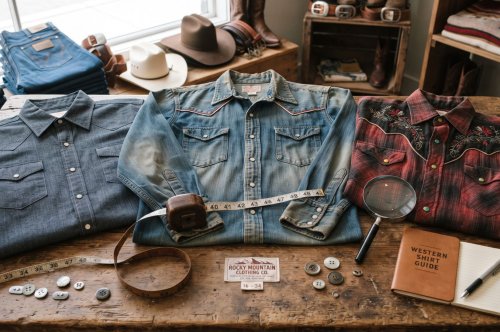
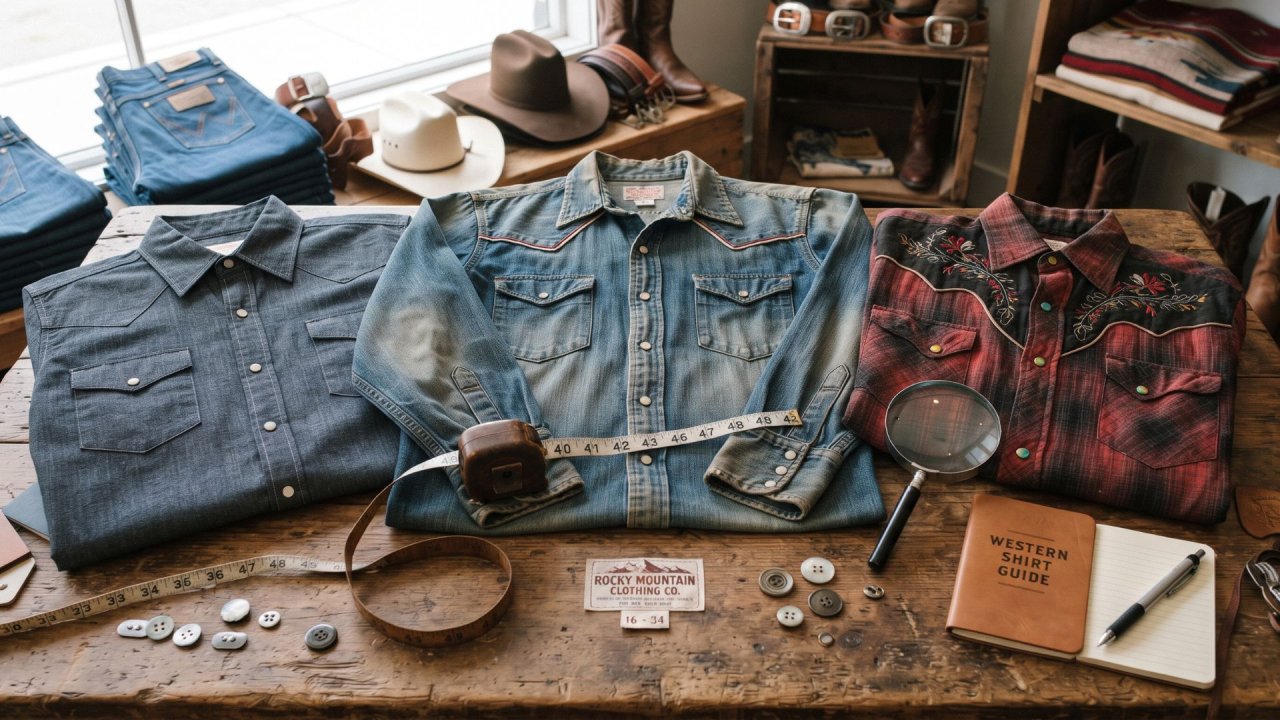
A western shirt is a shirt inspired by the clothing of the American West. It is usually fitted through the body, with decorative construction details that set it apart from an ordinary button-up. These details vary from shirt to shirt, but several features appear again and again.
Key Features of a Western Shirt
The Yoke
A pointed or curved panel across the shoulders, often shaped like a “V” or a pair of curves on the front and back. It is the most recognisable feature.
Snap Buttons
Many western shirts use snap fastenings instead of sewn buttons, often with a pearly or metallic finish. They are quick to open and give the shirt a distinctive look.
Pocket Shapes
Chest pockets often have pointed flaps or decorative shapes. Some have curved “smile” openings or sharp, angled edges.
Embroidery and Piping
Stitched designs, contrast piping, and decorative details appear on yokes, pockets, and cuffs.
Snap Cuffs
Cuffs that fasten with snaps instead of buttons.
A Tapered Fit
Many western shirts are cut to sit close to the body, with a slightly longer back so the shirt stays tucked in.
Not every western shirt has every feature, so use these as a guide rather than a strict checklist.
Why Western Shirts Are Popular Today
Strong Visual Character
A western shirt can be the centrepiece of an outfit without needing extra accessories.
Rooted in Workwear and Heritage
The style carries a sense of history, craft, and durability that suits current interest in vintage and workwear.
Easy to Mix With Modern Basics
Jeans, chinos, and plain jackets all work with it.
A Style for Everyone
Men and women both wear western shirts, and fits can range from fitted to relaxed.
Sustainable Choice
Wearing an existing shirt keeps it in use and reduces demand for new production.
Popular Western Shirt Styles
Classic Pearl Snap Shirts
Plain or lightly patterned shirts with snap fastenings and a clean yoke.
Embroidered Western Shirts
Shirts with stitched designs on the yoke, pockets, or sleeves.
Plaid and Checked Western Shirts
Flannel and cotton plaids with western details. A casual, everyday option.
Gingham and Small-Print Shirts
Lighter fabrics with small checks or prints, popular in warmer weather.
Solid Colour Western Shirts
Simple, versatile shirts in denim blue, white, black, or earthy tones.
Denim Western Shirts
Heavier shirts in chambray or denim, close to a light jacket in feel.
Showy and Stagewear Shirts
Bold, decorated shirts with bright colours, contrast panels, or elaborate stitching.
Long Sleeve and Short Sleeve Versions
Long-sleeved shirts are classic. Short-sleeved ones suit warmer climates and casual looks.
Fabrics Commonly Found in Western Shirts
Cotton
Breathable and the most common option. Easy to wash and comfortable.
Cotton and Polyester Blends
Common from the mid-century onward. Wrinkle-resistant and durable, though they can hold odours.
Flannel
Soft, brushed cotton for cooler weather. Check for pilling and thin patches.
Denim and Chambray
Sturdier fabrics that soften with wear.
Rayon and Satin
Smoother, dressier fabrics used for stage and evening versions. They can be delicate.
Always read the label, since fabric affects warmth, care, and how the shirt will feel.
Western Shirt Looks by Decade
Dates are a guide, since styles overlap.
1950s and 1960s
Neat fits, clean yokes, snap fastenings, and decorative detail. Many shirts from this period are well made but can be delicate.
1970s
Bolder patterns, wider collars, and brighter colours. Plaids and earthy tones were common.
1980s
Roomier cuts, bright colours, and a mix of workwear and fashion influences.
1990s
Relaxed, everyday cotton and flannel versions became common, alongside simpler designs.
How to Check the Age and Authenticity of a Western Shirt
No single clue is enough. Check several signs together.
Labels
Look at the logo style, font, fabric content, and care label. Compare with reliable references for the brand and period. Some older or custom shirts have no label.
Snaps
Check the snap style, finish, and any stamping on the back. Snaps can be replaced during repairs, so use them as one clue only.
Stitching and Construction
Look at the yoke, seams, and hems. Neat, even stitching and tidy finishing are signs of quality.
Fabric Feel
Older cotton often feels softer and thinner. Modern fashion copies can feel stiffer or slicker.
Sizing and Fit
Older sizes and cuts often differ from modern ones. Many are cut slimmer or shorter in the body.
Price
A rare, well-preserved shirt priced very low deserves extra questions. A modern western-style shirt priced like a collectible should be avoided.
Condition Problems to Check
Snaps
Test every snap, including the cuffs and pockets. Look for loose, bent, rusted, or missing snaps, since replacing a full set is time-consuming.
Yoke and Seams
Check the shoulders and yoke for split stitching or thin fabric.
Collar and Cuffs
Fraying, stains, and worn edges are common.
Underarms
Yellowing and thin patches show up here first.
Embroidery and Piping
Look for broken threads, loose stitching, and unravelling.
Fading and Colour Transfer
Light fading is normal, but uneven bleaching or dye staining lowers value.
Pilling and Thin Spots
Especially common on flannel and polyester blends.
Smell
Stored shirts can hold musty or smoky odours. Ask the seller if the photos do not show it.
How to Choose the Right Size
Use Measurements, Not Labels
Sizing has changed over time. Compare the listing with a shirt you already own.
Measurements That Matter
- Chest (pit to pit): measured flat across the chest.
- Shoulder width: from seam to seam.
- Sleeve length: from the shoulder seam to the cuff.
- Body length: from the collar to the hem.
Remember the Fit
Many western shirts are cut close to the body. If you want a looser fit, choose a larger size or look for a roomier decade or style.
Snap Shirts Do Not Stretch
Unlike some knit shirts, snap-front shirts have limited give. Check that the chest and shoulders will be comfortable.
If You Are Between Sizes
Choose the larger size, since a shirt is easier to wear loose than tight.
How to Style a Western Shirt
Casual Everyday Look
A pearl snap shirt with straight-leg jeans and boots or trainers.
Layered Look
Wear it open over a plain tee, or under a denim jacket or knit.
Smart Casual Look
A plain western shirt with tailored trousers or dark jeans and clean shoes.
Relaxed Vintage Look
A plaid western shirt with a canvas jacket and straight denim.
Dress or Skirt Layer
Wear it as a lightweight layer over a simple dress or tied at the waist for a relaxed look.
Styling Rule
Let the shirt be the statement. Keep the rest of the outfit simple, and avoid wearing several western pieces at once, or it can look like a costume.
How to Care for a Western Shirt
- Check the care label first, if it is readable.
- Close the snaps before washing to protect the fabric and fastenings.
- Wash in cold water on a gentle cycle with mild detergent.
- Turn embroidered shirts inside out, or hand wash them.
- Avoid high heat and bleach, which can damage snaps, colour, and fabric.
- Air dry on a padded hanger to keep the yoke and shoulders in shape.
- Iron on low heat, avoiding embroidery and snap areas.
- Store on a hanger in a cool, dry place away from direct sunlight.
Where to Buy a Western Shirt
- Online vintage stores: clear photos, measurements, and condition notes. Vintike focuses on carefully selected vintage pieces with clear descriptions, so shoppers can buy with confidence.
- Resale apps and marketplaces: large variety and competitive prices. Check reviews and ask for close-ups of the snaps and yoke.
- Vintage fairs and markets: try shirts on and inspect the details in person.
- Thrift and charity shops: affordable, though selection varies and measurements are rarely given.
Tips for Buying a Western Shirt Online
- Read the full description, including fabric, size, and condition.
- Compare measurements with a shirt you already own.
- Zoom in on the snaps, yoke, collar, and cuffs.
- Ask for extra photos of the underarms and any flaws.
- Check whether snaps are original or replaced.
- Confirm delivery time and the returns policy.
Common Mistakes When Buying a Western Shirt
- Ignoring broken or missing snaps.
- Buying by size label instead of measurements.
- Overlooking underarm and collar wear.
- Washing in hot water or using the dryer.
- Paying vintage prices for a modern western-style shirt.
- Wearing too many western pieces together.
- Choosing a fit that is too tight across the shoulders.
FAQ's
What is a western shirt?
It is a shirt inspired by the clothing of the American West, usually with a pointed yoke, snap fastenings, and decorative pockets or stitching.
What is a pearl snap shirt?
It is a western shirt that fastens with snap buttons, often with a pearly finish, instead of sewn buttons.
How can I tell if a western shirt is vintage?
Check the label, snaps, stitching, fabric, and fit together. No single clue is enough, so buy from sellers who can explain how they date their items.
Are western shirts only for men?
No. Men and women both wear them, and fits range from fitted to relaxed.
What size should I buy?
Use the shirt’s measurements and compare them with one you already own, paying attention to the shoulders and chest.
How do I wash a western shirt?
Close the snaps, wash in cold water on a gentle cycle, avoid high heat, and air dry on a padded hanger.
Can missing snaps be replaced?
Often, yes, though it can be tricky to match the style. A tailor or repair shop may be able to help.
Where can I buy a western shirt online?
You can buy from online vintage stores, resale apps, and marketplaces. Choose sellers who show clear photos, measurements, and honest condition notes.
Conclusion
A western shirt is one of the easiest ways to add character to a vintage wardrobe. Learn the key details, check the snaps, yoke, and fabric, use measurements instead of size labels, and care for the shirt gently. Choose a style that suits you, keep the rest of your outfit simple, and the shirt will do the talking.
Ready to find your next shirt? Explore the collection at Vintike and discover vintage clothing selected for style and quality.