60s Dress Guide: Styles, Prints, Fabrics and How to Buy One
60s Dress Guide: Styles, Prints, Fabrics and How to Buy One
The 1960s changed the dress. Hemlines rose, waists disappeared, colors got brighter, and clothes became simpler to wear and easier to move in. A 60s dress is instantly recognisable: clean lines, bold prints, and a youthful attitude that still looks fresh today.
This guide focuses only on 1960s dresses: how the decade’s styles changed, the main dress shapes, the prints and fabrics to look for, how to check age and fit, and how to wear and care for one.
Read More: https://vintike.com/blog/vintage-clothing/mod-style
Why the 60s Dress Is Still Popular
Simple, Flattering Shapes
Many 60s dresses skim the body instead of clinging to it, which makes them comfortable and easy to wear.
Bold Graphic Style
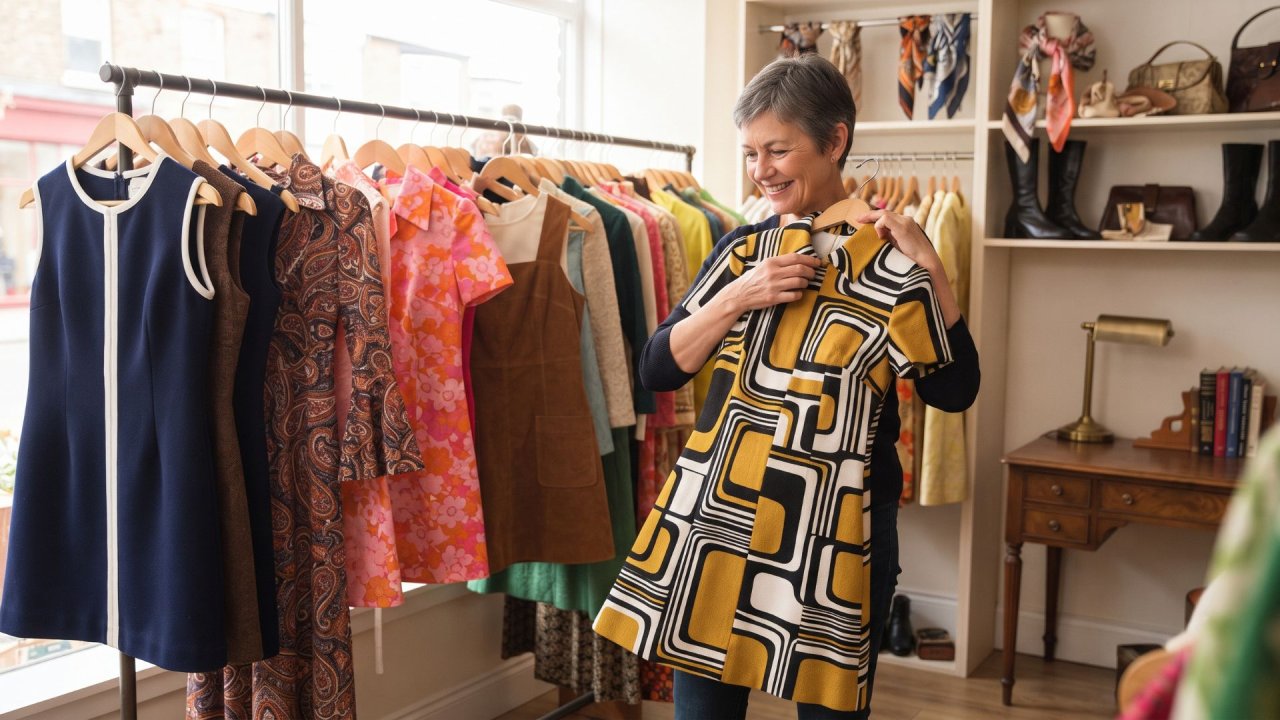
Geometric prints, color blocking, and strong colors give 60s dresses a look that is hard to copy.
Easy to Style
A straight or A-line dress works with boots, flats, or heels, and can be dressed up or down.
Genuinely Vintage
Dresses from the 1960s are now around 60 years old, so original pieces are true vintage, and many are collectible.
Early 60s vs. Late 60s Dresses
The decade looked very different at the start and the end.
Early 1960s
Fashion was still neat and polished. Dresses were often fitted at the bust, slightly structured, and knee length, with a refined, ladylike feel.
Mid 1960s
Hemlines rose and shapes became simpler. Shift dresses, A-lines, and mini lengths appeared, along with bold geometric prints and strong color.
Late 1960s
Styles became looser and more experimental. Psychedelic prints, flowing maxi dresses, empire waists, and relaxed bohemian shapes grew popular.
Popular 60s Dress Styles
Shift Dresses
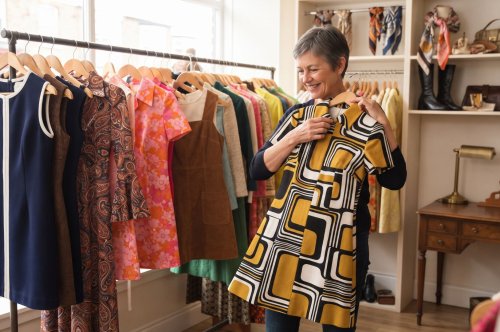
Straight, simple, and waistless. The defining dress of the decade, often in plain colors or bold prints.
A-Line Dresses
Fitted at the shoulders and flaring gently to the hem. Flattering and easy to wear.
Mini Dresses
Short, youthful, and closely linked to the middle of the decade.
Empire-Waist Dresses
A high waistline just under the bust, with a loose skirt below. Common in the later 60s.
Babydoll Dresses
Short, loose, and often gathered below the bust, with puffed or short sleeves.
Shirt Dresses
Button-front dresses with a collar. Practical and smart for daytime.
Colour-Block Dresses
Panels of contrasting color create a modern, graphic effect.
Maxi Dresses
Long, flowing dresses that became popular toward the end of the decade.
60s Dress Prints and Colors
Prints
- Geometric shapes: squares, circles, and zigzags.
- Op art patterns: strong black-and-white contrast and optical effects.
- Psychedelic swirls: bright, flowing designs from the late 60s.
- Florals: from small, neat prints to large, bold flowers.
- Stripes and checks: simple and graphic.
- Polka dots: playful and neat.
Colors
- Black and white: crisp and graphic.
- Primary colors: red, yellow, and royal blue.
- Bright pinks and oranges: popular in mid-to-late decade.
- Pastels: soft baby blue, mint, and lemon.
- Earthy tones: mustard, olive, and brown, especially toward the end of the decade.
- Metallics: silver and gold for evening wear.
Fabrics Commonly Found in 60s Dresses
Cotton
Breathable and common in daytime and shirt dresses.
Crepe and Wool Crepe
A slightly textured fabric that holds shape in shift and A-line dresses.
Acetate, Rayon and Polyester
Man-made fabrics became very common. They are durable and take bright prints well, but can hold odours and, in some cases, mark easily.
Jersey and Knit Fabrics
Soft and comfortable, often used for casual dresses.
Lace and Brocade
Common in evening and special-occasion dresses.
Wool and Wool Blends
Used for warmer dresses and structured styles.
Fabric and finish vary by dress, so always read the label and condition notes.
How to Check the Age of a 60s Dress
No single clue proves a dress is genuine. Check several signs together.
Zips
Many 60s dresses use a metal zip, often at the side or the back. Zip style can help estimate age, but zips are often replaced during repairs.
Labels
Look at the logo, font, fabric content, and care label. Compare with reliable references for the period. Very old dresses may have simple labels or none at all.
Construction
Check seams, hems, linings, and darts. Neat, well-finished seams and hand-finished details are common on older dresses.
Fabric and Print
Prints and fabrics from the era often feel different from modern copies.
Fit and Cut
Original 60s sizing and proportions differ from modern clothing. Dresses are often shorter in the body and smaller in the waist than modern equivalents.
Home-Sewn Dresses
Many 1960s dresses were made at home. They can be lovely, but check hems, seams, and finishing carefully, and note that there may be no label.
Original 60s Dress vs. 60s-Style Reproduction
Original
Made in the 1960s, with period fabric, construction, and wear. Often more delicate and more unique.
60s-Style or Reproduction
Newly made, in a 1960s style. Usually easier to wear and wash, and often available in modern sizes. They should be described honestly as inspired or reproduction, not vintage.
If you are paying a vintage price, check that the dress is genuine. If you want something easy to wear every day, a good 60s-style dress is a perfectly valid choice.
How to Choose the Right Size
Use Measurements, Not Labels
Sizes have changed over the decades. Use the dress’s measurements and compare them with your own.
Key Measurements
- Bust (pit to pit): measured flat across the chest.
- Waist: important for fitted and empire styles.
- Hips: especially for slimmer cuts.
- Length: from shoulder or neckline to the hem.
- Shoulder width and sleeve length: if relevant.
Flat Measurements
Many sellers measure dresses flat. Double bust, waist, and hip numbers to estimate the full circumference.
Check the Fabric Stretch
Jersey and knit dresses give more room. Stiff woven fabric does not.
If You Are Between Sizes
Choose the larger size. A tailor can take a dress in more easily than let it out.
What to Check Before You Buy
- Underarms and neckline: stains and discoloration show here first.
- Zip: whether it works smoothly and stays closed.
- Seams: loose or split stitching.
- Hem: repairs, drop stitching, or damage.
- Lining: tears, stains, or missing sections.
- Fabric: thin spots, snags, and fading.
- Smell: stored dresses can smell musty.
- Alterations: check whether the length or fit has been changed.
Ask the seller for extra photos if any area is unclear.
How to Style a 60s Dress
Everyday Look
A cotton shift or shirt dress with flat boots or clean trainers.
Smart Look
An A-line dress with a tailored jacket and low heels.
Party Look
A colour-block or metallic mini dress with simple jewellery.
Relaxed Late-60s Look
A flowing maxi or empire dress with sandals and a light jacket.
Cool-Weather Look
Wear a 60s dress with tights, ankle boots, and a coat.
Styling Rule
Let the dress be the star. Choose simple shoes and minimal accessories, and keep the rest of the outfit modern.
Accessories for a 60s Dress
- Flat or low-heeled boots and ballet flats
- Headbands and scarves
- Large sunglasses
- Simple, chunky jewellery
- Small shoulder bags
- Tights in solid colors
- Neat gloves or a light scarf for cooler days
Alterations and Fit Fixes
Many 60s dresses are easy to adjust.
- Hems: usually simple to shorten.
- Sides and darts: can often be taken in.
- Zips: can be replaced by a tailor.
- Straps and sleeves: can sometimes be adjusted.
- Letting out: only possible if there is spare fabric in the seams.
A local tailor can tell you what is practical before you buy.
How to Care for a 60s Dress
- Check the label first, if it is readable.
- Hand wash delicate fabrics in cool water with mild detergent.
- Test a hidden area before washing a printed or coloured dress.
- Do not wring or twist. Press water out gently with a towel.
- Air dry flat or on a padded hanger. Avoid direct sun and the dryer.
- Steam instead of ironing where possible, and use low heat.
- Store in a breathable garment bag in a cool, dry place.
- Use a specialist cleaner for fragile, beaded, or lined dresses.
Where to Buy a 60s Dress
- Online vintage stores: clear photos, measurements, and condition notes. Vintike focuses on carefully selected vintage pieces with clear descriptions, so shoppers can buy with confidence.
- Resale apps and marketplaces: large variety and lower prices, but quality varies by seller.
- Vintage fairs and markets: try dresses on and compare sellers.
- Thrift and charity shops: affordable, though stock is unpredictable.
- Brands with 60s-inspired collections: useful for modern sizing and easy care.
Common Mistakes When Buying a 60s Dress
- Trusting the size label instead of measurements.
- Ignoring underarm and neckline photos.
- Forgetting to test the zip.
- Paying vintage prices for a modern reproduction.
- Washing delicate fabric in hot water.
- Buying a dress that needs more alteration than you can manage.
- Choosing a style that does not suit your daily life.
FAQ's
What is a 60s dress?
A 60s dress is a dress made in or inspired by the 1960s, typically with simple shapes such as shift or A-line cuts, shorter hemlines, and bold prints.
What was the most popular dress style of the 1960s?
The shift dress was the defining style, along with A-line, mini, and, later in the decade, empire-waist and maxi dresses.
How can I tell if a 60s dress is original?
Check the label, zip, fabric, seams, and print together, and buy from sellers who describe items honestly and can explain how they date them.
What size should I buy in a 60s dress?
Use the dress’s measurements instead of the size label, and compare them with your own measurements or a dress you already own.
How do I wear a 60s dress today?
Choose simple shoes, keep accessories minimal, and mix the dress with modern layers such as a denim jacket or a plain coat.
How do I wash a vintage 60s dress?
Check the label, hand wash in cool water with mild detergent, and air dry flat or on a padded hanger.
Can a 60s dress be altered?
Often, yes. Hems, sides, and zips can usually be adjusted by a tailor, depending on the fabric and seam allowance.
Where can I buy a 60s dress online?
You can buy from online vintage stores, resale apps, and marketplaces. Choose sellers who show clear photos, measurements, and condition notes.
Conclusion
A 60s dress combines simple shapes, bold style, and easy wear. Learn the difference between early and late 60s styles, check the label, zip, and fabric, use measurements instead of size labels, and care for the dress gently. Start with a shift or A-line dress, keep the styling simple, and let the print do the work.
Ready to find your next dress? Explore the collection at Vintike and discover vintage clothing selected for style and quality.