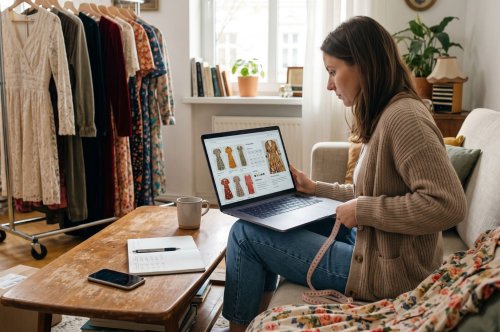
Vintage Dresses Online: Styles, Fabrics, Sizing and How to Buy With Confidence
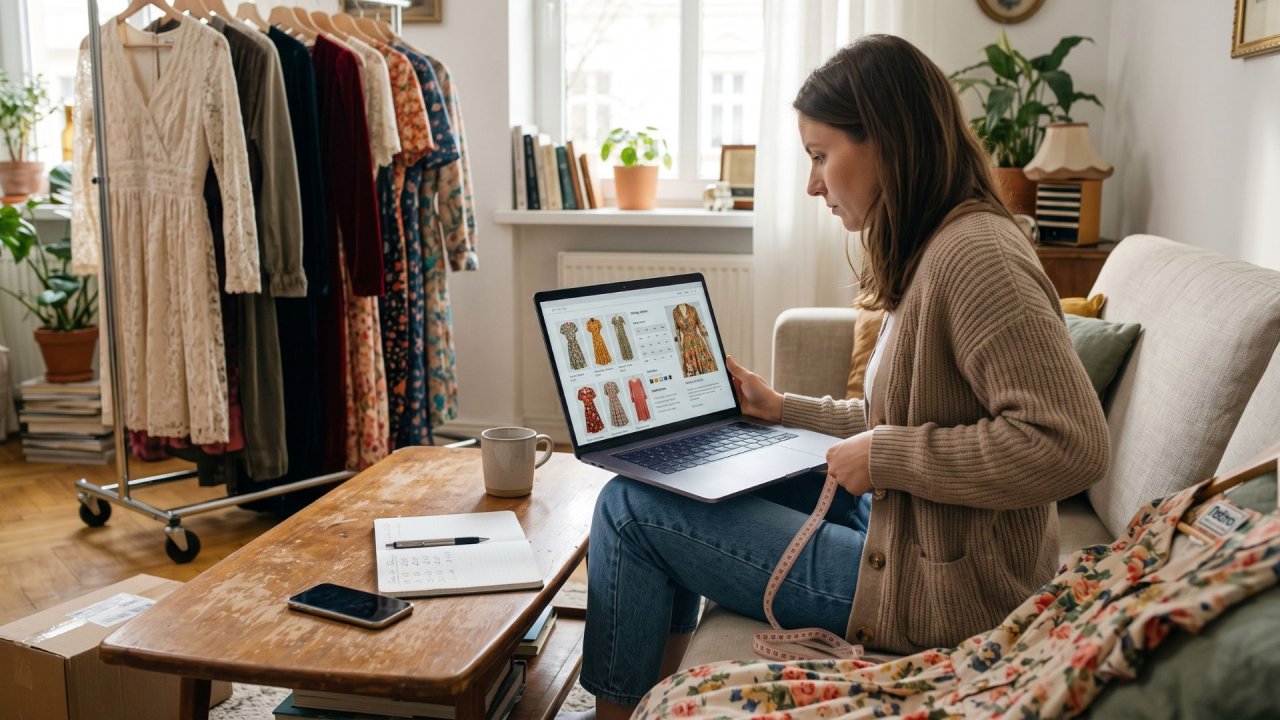
Vintage Dresses Online: A Buyer’s Guide to Styles, Fabrics and Fit
A vintage dress can be the most memorable piece in your wardrobe. The cut, the fabric, and the print often have a quality and character that modern dresses struggle to match. But dresses are also the hardest vintage item to buy online. They are fitted, they use delicate fabrics, and sizing from past decades rarely matches today’s labels.
This guide focuses only on dresses: the main styles, how silhouettes changed by decade, how to judge fabric and construction, which measurements matter, and how to care for your dress once it arrives.
Read More: https://vintike.com/blog/second-hand-clothes-online/online-thrift-store-uk
Why Buy Vintage Dresses Online?
A Much Bigger Choice
Online stores let you search by length, colour, print, and size, instead of checking one rail at a time.
Unique Designs
Vintage dresses were often made in smaller runs, so you are less likely to meet someone in the same dress.
Quality Fabrics and Finishing
Many older dresses use well-made fabrics, careful seams, and neat linings.
A Sustainable Choice
Wearing an existing dress keeps it in use and reduces demand for new production.
The Trade-Off
You cannot try the dress on or feel the fabric, so the listing, photos, and measurements need to do that job.
Popular Vintage Dress Styles
Shift Dresses
Straight, simple, and easy to wear. A classic shape that works for daytime and work.
Tea Dresses
Light, usually mid-length dresses with soft prints, often in floral patterns. Feminine and easy to dress up or down.
A-Line Dresses
Fitted at the top and flaring gently from the waist. Flattering on many body types.
Wrap Dresses
Adjustable at the waist and simple to size, which makes them a good choice for online shopping.
Shirt Dresses
Button-front dresses with a collar. Practical, versatile, and stylish.
Slip Dresses
Slim, lightweight, and often made from silky fabrics. Easy to layer with knitwear or a jacket.
Midi and Maxi Dresses
Longer lengths in flowing fabrics, popular for relaxed and evening looks.
Fit-and-Flare Dresses
Fitted bodice with a full skirt, giving a strong retro silhouette.
Vintage Dress Silhouettes by Decade
Names and dates are a guide, and designs overlap between decades.
1950s
Fitted waists, full skirts, and structured bodices. Polka dots, florals, and nipped-in shapes.
1960s
Shift dresses, A-line shapes, bold geometric prints, and shorter hemlines.
1970s
Flowing maxi dresses, wrap styles, bohemian prints, and earthy colours.
1980s
Strong shoulders, bold colours, puff sleeves, and dramatic shapes.
1990s
Slip dresses, simple slim cuts, floral midi dresses, and minimal styling.
Fabrics Commonly Found in Vintage Dresses
Cotton
Breathable and durable. Common in casual and tea dresses.
Silk and Silk-Like Fabrics
Soft and elegant, but delicate. Look for water marks, snags, and fading.
Rayon and Viscose
Light with a good drape, but weaker when wet. Check for thin spots and tears.
Crepe
Textured and flowing, popular in many decades. Can be delicate near seams.
Wool and Wool Blends
Warm and structured, suited to cooler seasons.
Polyester and Synthetic Blends
Common from the 1960s onward. They are durable and easy to care for, but can hold odours.
Lace and Embroidery
Beautiful, but check for loose threads, holes, and damaged trims.
How to Take the Right Measurements
Dress fit depends on several measurements, not just one.
Measurements to Look For in a Listing
- Bust (pit to pit): measured across the chest, usually flat.
- Waist: measured at the narrowest part.
- Hips: important for slim and fitted dresses.
- Length: measured from the shoulder or neckline to the hem.
- Shoulder width and sleeve length: if relevant.
Flat Measurements
Many sellers measure dresses laid flat. Double the bust, waist, and hip numbers to estimate the full circumference.
Compare With Your Own Body or a Dress You Own
Measure yourself, or lay a well-fitting dress flat and compare the numbers.
Check Stretch
Dresses with elastic, jersey, or knit fabric give more room. Stiff woven fabric does not.
Do Not Trust the Size Label
Older sizes often run smaller than today’s labels. Use measurements instead.
How to Check Construction and Age
No single clue proves a dress is genuine vintage. Look at several signs together.
Zips
Older dresses often have metal zips, sometimes at the side or back, and some have hand-finished details. Zip style can help estimate age, but zips are often replaced during repairs.
Seams and Finishing
Look at seam allowances, hems, and linings. Neat, well-finished seams are common in older well-made dresses.
Labels
Check the brand, fabric content, and care label. Compare with reliable references for the brand and period.
Fabric and Print
Older prints and fabrics often have a different feel from modern copies.
Buttons and Fastenings
Check that buttons, hooks, and snaps are original or well-matched.
What to Check in the Photos and Description
- Underarms and neckline: stains and discolouration show here first.
- Zip: whether it works smoothly.
- Seams: loose or split stitching.
- Hem: repairs, drop stitching, or damage.
- Lining: tears, stains, or missing parts.
- Fabric: thin spots, snags, or fading.
- Smell: stored dresses can smell musty. Ask the seller.
Ask for extra photos if any area is unclear.
Vintage Dresses for Different Occasions
Everyday and Casual
Cotton tea dresses, shirt dresses, and simple shifts with trainers or boots.
Work and Smart Casual
A structured shift or midi dress with a blazer or cardigan.
Weddings and Parties
Fit-and-flare, silky midi, or lace dresses in rich colours.
Summer and Holidays
Light cotton or rayon dresses in breezy cuts.
Winter
Wool or heavier crepe dresses with tights, boots, and a coat.
Sizing, Alterations and Fit Fixes
Many vintage dresses are easy to adjust.
- Hems: usually simple to shorten.
- Straps: can be shortened on slip and sundresses.
- Taking in the waist or sides: often possible with enough seam allowance.
- Zips: can be replaced by a tailor.
- Letting out: only possible if there is spare fabric inside the seams.
If you are between sizes, choose the larger size and alter it, since it is easier to take in than to let out. A local tailor can advise on what is practical.
Condition Terms for Vintage Dresses
Terms vary by seller, so check each store’s definitions.
- Excellent: very little wear, no visible flaws.
- Very good: light signs of age.
- Good: noticeable wear or small flaws, usually described.
- Fair: visible wear or repairs, often lower priced.
Small marks near seams or hems can sometimes be cleaned or repaired. Large stains or fabric damage are harder to fix.
Shipping and Returns for Delicate Dresses
- Ask how the dress is packed, particularly for silk, lace, and beaded styles.
- Check delivery time and tracking.
- Read the returns policy and confirm whether returns are accepted for vintage items.
- Note who pays for return postage and how long you have to report problems.
Check your local consumer guidance if you are unsure of your rights.
How to Care for Vintage Dresses
- Check the label first if it is still readable.
- Hand wash delicate fabrics in cool water with a mild detergent.
- Test a hidden area before washing a printed or coloured dress.
- Do not wring or twist. Press water out gently in a towel.
- Air dry flat or on a padded hanger. Avoid direct sun and the dryer.
- Steam rather than iron when possible, and use low heat.
- Store in a breathable garment bag in a cool, dry place.
- Take very fragile or beaded dresses to a specialist cleaner.
Where to Buy Vintage Dresses Online
- Specialist vintage stores: clear photos, measurements, and condition notes. Royals Vintage offers carefully selected vintage pieces with clear descriptions, so you can shop with confidence.
- Resale apps and marketplaces: huge variety and lower prices, but quality varies by seller.
- Vintage fairs and markets: try dresses on in person and compare sellers.
- Thrift and charity shops: affordable, though stock is unpredictable.
Common Mistakes When Buying Vintage Dresses Online
- Trusting the size label instead of measurements.
- Ignoring underarm and neckline photos.
- Forgetting to check the zip and lining.
- Buying delicate fabric without checking condition.
- Not reading the returns policy.
- Paying vintage prices for modern vintage-style dresses.
- Ordering a dress that needs more alteration than you can manage.
Frequently Asked Questions About Vintage Dresses Online
Is it safe to buy vintage dresses online?
Yes, if you choose a store with real photos, clear measurements, honest condition notes, and a clear returns policy.
How do I know what size vintage dress to buy?
Use the dress’s measurements instead of the size label, and compare them with your own measurements or a dress you already own.
What are the best vintage dresses for beginners?
Wrap dresses, shirt dresses, and shift dresses are easy to size and style.
How can I tell if a dress is truly vintage?
Check the label, fabric, zip, seams, and print together. Buy from sellers who describe items honestly and can explain how they date them.
Can vintage dresses be altered?
Often, yes. Hems, straps, and sides can be adjusted by a tailor, depending on seam allowance and fabric.
How do I wash a vintage dress?
Check the label, hand wash delicate fabrics in cool water with mild detergent, and air dry flat or on a padded hanger.
Why does a vintage dress smell musty?
Stored clothing can hold odours. Airing, gentle washing, or professional cleaning often helps, depending on the fabric.
Where can I buy vintage dresses online?
You can buy from specialist vintage stores, resale apps, and marketplaces. Choose sellers who show clear photos and describe condition honestly.
Conclusion
Vintage dresses online can be a joy to buy when you know what to check. Choose a style that suits you, use measurements instead of size labels, study the photos of seams, zips, and underarms, and understand the returns policy. Start with a forgiving style like a wrap or shirt dress, and care for it gently so it lasts for years.
Ready to find your next favourite dress? Explore the collection at Vintike and discover vintage clothing selected for style and quality.