Vintage Sports Clothing: Jackets, Jerseys, Tracksuits and How to Buy Them
Vintage Sports Clothing: A Buyer’s Guide to Jackets, Jerseys, Tracksuits and More
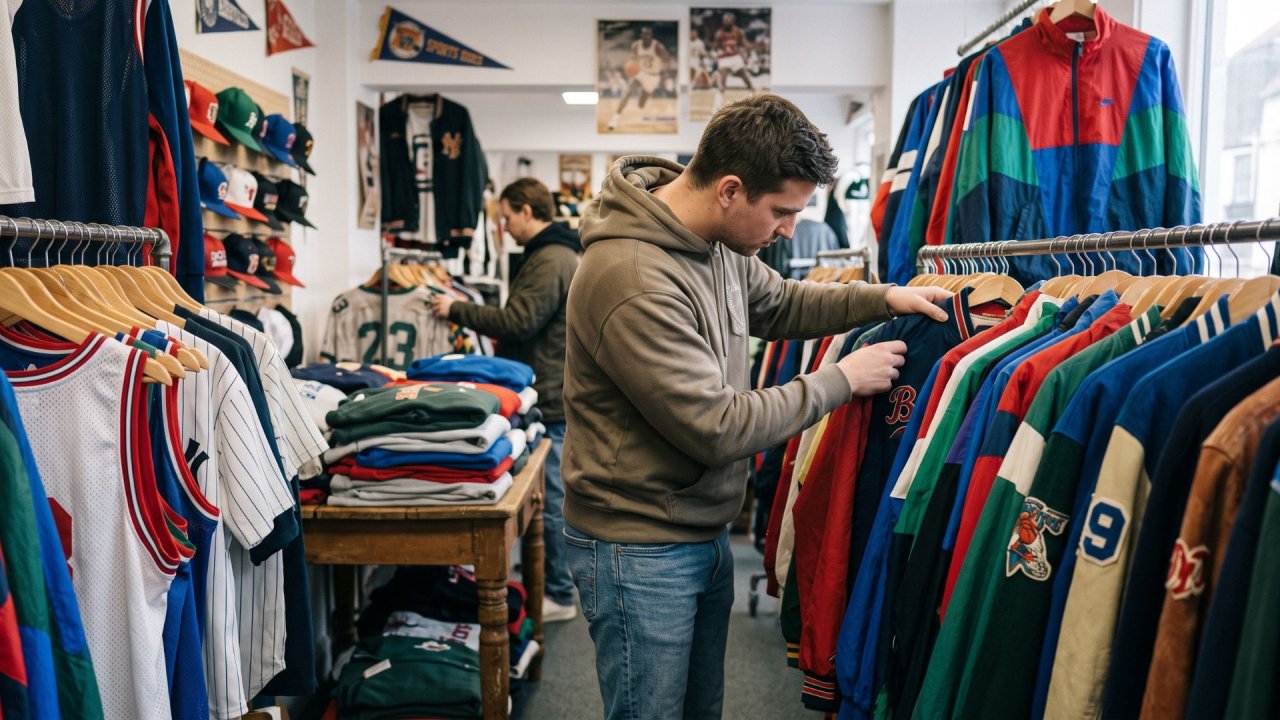
Vintage sports clothing has moved from the changing room to the high street. A colour-block windbreaker, a retro football shirt, or a heavy cotton sweatshirt can make a simple outfit look intentional. Sportswear was made to be worn hard, so many older pieces are still in great shape, but the materials also age in ways that catch buyers out.
This guide covers vintage sports clothing beyond t-shirts: the main categories, the fabrics used, what to check before buying, how to size and style each piece, and how to care for it. If you are looking specifically for printed tees, see our guide to vintage sports t shirts.
Read More: https://vintike.com/blog/vintage-clothing/vintage-dresses-online
Why Vintage Sports Clothing Is So Popular
Comfort First
Sportswear was designed for movement, so it is relaxed, practical, and easy to wear every day.
Streetwear Influence
Sporty layers are a core part of streetwear, which keeps demand for older pieces strong.
Bold Design
Colour blocking, stripes, big logos, and shiny fabrics give older sportswear a distinct look that modern copies often miss.
Durability
Many older garments were built to handle training and weather, so they can last for decades with care.
Sustainable Choice
Wearing an existing piece keeps clothing in use and reduces demand for new production.
Main Types of Vintage Sports Clothing
Track Jackets and Tracksuit Tops
Zip-up jackets in nylon, polyester, or tricot, often with stripes down the sleeves. One of the most searched vintage sportswear items.
Windbreakers and Shell Jackets
Lightweight nylon jackets, often with colour blocking and a mesh or cotton lining. Ideal for spring and autumn layering.
Football (Soccer) Shirts and Jerseys
Short- or long-sleeve team shirts in polyester or cotton blends. Collectible and popular for casual wear.
Tracksuit Bottoms and Joggers
Often sold as part of a set. Check elastic, cuffs, and ankle zips.
Sweatshirts and Hoodies
Heavyweight cotton fleece with embroidered or printed logos. Reliable all-year layering pieces.
Varsity and Baseball Jackets
Wool body with leather or synthetic sleeves, or satin bomber styles. Heavier, structured, and often higher priced.
Polo and Rugby Shirts
Collared sports shirts, often with stripes or contrast colours. Easy to dress up or down.
Shorts
Running, football, and basketball shorts. Popular in summer, though condition and elastic need careful checking.
Puffer, Fleece and Outdoor Layers
Insulated jackets and fleeces from outdoor and sport brands, valued for warmth and style.
Fabrics in Vintage Sportswear and How They Age
Nylon
Light, shiny, and common in windbreakers. Can crack, become sticky, or tear at stress points as it ages.
Polyester
Durable and used in jerseys and tracksuits. Often holds odours, so check the smell.
Tricot and Brushed Fabrics
Soft, slightly shiny fabric common in track jackets. Look for pilling, thin patches, and snags.
Cotton Fleece
Used in sweatshirts and hoodies. Check for pilling, stretched cuffs, and faded areas.
Mesh
Used for linings and jersey panels. Look for holes and stretched or damaged areas.
Wool and Leather Blends
Common in varsity jackets. Check for moth damage, cracked leather, and worn cuffs.
What to Check Before You Buy
Zips
Test that the zip runs smoothly, stays closed, and has no missing teeth. Replacing a zip can be costly.
Elastic and Cuffs
Waistbands, cuffs, and hems can lose their stretch. Check that they spring back.
Lining
Look for torn mesh, peeling coating, or stains inside the jacket.
Surface Condition
On nylon and shell fabrics, look for cracking, stickiness, or a rough surface. Gentle fading is normal.
Logos and Embroidery
Check for fraying, missing stitches, or cracking on printed or vinyl logos.
Collars, Cuffs and Underarms
These areas show wear and staining first.
Smell
Stored synthetics can hold strong odours. Ask the seller if the photos do not show it.
Seams and Pockets
Check for splits, especially at pocket corners and sleeve joins.
How to Spot Original Vintage vs. Retro-Style Copies
No single clue is enough. Check several together.
- Labels: logo style, fonts, and layout should suit the period. Compare with reliable references.
- Care tags: fabric content and country of origin can hint at age.
- Hardware: zips and snaps should match the era.
- Fabric feel: older nylon and polyester often feel different from modern versions.
- Fit: older cuts are often boxier, with different lengths and proportions.
- Price: a rare piece priced like new fast fashion needs more questions.
Retro-style copies are not wrong, but they should not be sold as genuine vintage. Royals Vintage focuses on carefully selected pieces with clear descriptions so shoppers can buy with confidence.
Sizing Vintage Sports Clothing
Use Measurements, Not Labels
Sizing differs between brands, countries, and decades. Compare chest (pit to pit), length, shoulder width, and sleeve length with a similar garment you own.
Expect Boxy or Oversized Fits
Many older jackets and sweatshirts are cut loose. Check the description for fit notes.
Consider Layering
If you plan to wear a jacket over a hoodie, choose a little extra room.
Football Shirts
Older jerseys often run large and loose, while some modern replicas are slim. Always check measurements.
Trousers and Shorts
Check waist, rise, and inseam, and confirm that elastic or drawstrings still work.
What Affects the Value of Vintage Sportswear?
- Brand and label: recognised sportswear labels attract more buyers.
- Era and design: distinctive 80s and 90s colourways are especially popular.
- Team or event (for jerseys): well-known clubs, tournaments, and eras increase interest.
- Condition: clean items with working zips and strong fabric sell higher.
- Rarity: limited designs and unusual colours stand out.
- Completeness: matching tracksuit sets can be worth more than separate pieces.
- Size: common wearable sizes sell faster, though oversized fits are popular.
- Current demand: trends and major sporting events can change prices quickly.
Check recent sold listings, not asking prices, to see what buyers actually pay.
How to Style Vintage Sports Clothing
Track Jacket Look
A track jacket over a plain tee with straight-leg jeans and clean trainers.
Windbreaker Look
A colour-block windbreaker with relaxed trousers and a simple cap.
Football Shirt Look
A vintage jersey with wide denim or cargo trousers. Add a plain jacket in cooler weather.
Full Tracksuit Look
Wear a matching set with simple trainers, or split the set and mix each piece with denim.
Sweatshirt Layering
Wear a heavy sweatshirt under a denim or varsity jacket for a cosy, retro look.
Smart-Casual Mix
A neat polo or rugby shirt with tailored trousers for a relaxed retro outfit.
Styling Rule
Wear one standout sporty piece per outfit and keep the rest simple. Mixing sportswear with everyday basics looks modern rather than costume-like.
Vintage Sports Clothing by Season
- Spring: windbreakers, track jackets, and long-sleeve polos.
- Summer: football shirts, shorts, and light polos.
- Autumn: sweatshirts, varsity jackets, and fleeces.
- Winter: puffers, heavy fleeces, wool varsity jackets, and layered tracksuits.
Buying out of season is often a good way to find coats and heavy layers at lower prices.
How to Care for Vintage Sports Clothing
- Check the care label if it is still readable.
- Wash in cold water on a gentle cycle with mild detergent.
- Close zips and turn logos and prints inside out.
- Avoid high heat and the dryer, which can damage nylon, elastic, and prints.
- Air dry flat or on a padded hanger.
- Use a mesh laundry bag for jerseys with embroidered badges.
- Do not iron directly on logos or printed areas.
- Hand wash valuable or delicate pieces.
- Store in a cool, dry place away from direct sunlight, and avoid sealed plastic that traps moisture.
Where to Buy Vintage Sports Clothing
Online Vintage Stores
Clear photos, measurements, and condition notes. Search by category, size, and era.
Resale Apps and Marketplaces
Huge variety and competitive prices. Check seller reviews and ask for photos of labels and zips.
Vintage Fairs and Markets
Inspect fabric, zips, and logos in person.
Thrift and Charity Shops
Affordable, though finds are unpredictable and rarely measured.
Buying Vintage Sports Clothing Online: Quick Checklist
- Read the full description, including size, material, and condition.
- Compare measurements with a garment you own.
- Zoom in on the label, zip, cuffs, and logo.
- Ask for extra photos of linings, underarms, and flaws.
- Check delivery time and returns policy.
- Start with one or two versatile pieces, such as a track jacket or sweatshirt.
Vintage Sports Clothing for Resellers
- Learn to read labels, zips, and fabric condition before buying in bulk.
- Focus on categories with steady demand, such as track jackets, windbreakers, sweatshirts, and football shirts.
- Inspect nylon and elastic in every item, since damage here lowers value quickly.
- Price using recent sold listings, and note flaws honestly in your listings.
- Sell matching tracksuit sets together when possible.
- Describe retro-style pieces as retro, not vintage.
- Ask your supplier how items are graded and whether you can choose categories or sizes.
Common Mistakes When Buying Vintage Sports Clothing
- Ignoring cracked, sticky, or thin nylon.
- Not testing zips and elastic.
- Buying by size label instead of measurements.
- Paying vintage prices for retro-style copies.
- Washing nylon or printed pieces on high heat.
- Choosing a rare logo over condition and fit.
- Ignoring smell in synthetic pieces.
Frequently Asked Questions About Vintage Sports Clothing
What is vintage sports clothing?
It is sportswear that is generally at least 20 years old, such as track jackets, windbreakers, football shirts, tracksuits, and sweatshirts.
What is the difference between vintage sportswear and retro sportswear?
Vintage sportswear was made in a past era, usually at least 20 years ago. Retro sportswear is newly made to copy the look of that era.
Which vintage sports clothing is the most popular?
Track jackets, windbreakers, football shirts, sweatshirts, and tracksuits are among the most searched categories.
How do I check the condition of vintage nylon jackets?
Look for cracking, stickiness, thin patches, and tears at pockets and seams. Test the zip, and check the lining and cuffs.
How should I wash vintage sportswear?
Wash in cold water on a gentle cycle with mild detergent, close zips, turn logos inside out, and air dry. Avoid high heat.
How do I know what size to buy?
Use the garment’s measurements instead of the size label, and compare them with a similar item you own.
Is vintage sports clothing good for resale?
It can be, if you buy at the right price, check condition carefully, and describe items honestly. Demand varies by category, era, and brand.
Where can I buy vintage sports clothing online?
You can buy from online vintage stores, resale apps, and vintage fairs. Choose sellers who show clear photos, labels, zips, and measurements.
Conclusion
Vintage sports clothing combines comfort, nostalgia, and strong design. Choose categories that suit your style, check zips, elastic, and fabric condition, use measurements instead of labels, and care for synthetic pieces gently. Start with a versatile item like a track jacket or sweatshirt, wear it with simple basics, and build from there.
Ready to find your next piece? Explore the collection at Vintike and discover vintage clothing selected for style and quality.