Military Jacket Guide: Styles, Surplus vs Inspired, Sizing and How to Wear One
Military Jacket Guide: Styles, Surplus vs Inspired, Sizing and How to Wear One
Few jackets are as practical or as timeless as the military jacket. Built for harsh conditions, with sturdy fabric, plenty of pockets, and a no-nonsense shape, military jackets moved from the field into everyday fashion decades ago and never really left. Today they are one of the most popular vintage outerwear pieces.
This guide covers the main military jacket styles, the difference between genuine surplus and military-inspired jackets, how to read labels and sizes, what to check before buying, and how to wear and care for one.
Read More: https://vintike.com/blog/vintage-clothing/what-did-cowboys-wear
Why Military Jackets Are So Popular
Built to Last
Military clothing was designed for tough use, so many older jackets are still in good wearable condition.
Practical Design
Multiple pockets, adjustable cuffs and hems, and weather-resistant fabrics make them genuinely useful.
Timeless Style
The clean, functional shape works with jeans, knitwear, dresses, and tailoring.
Unisex Appeal
Roomy cuts suit men and women, and many jackets work oversized.
Character and History
Fading, repairs, and wear give vintage jackets a look that new copies try to imitate.
Popular Military Jacket Styles
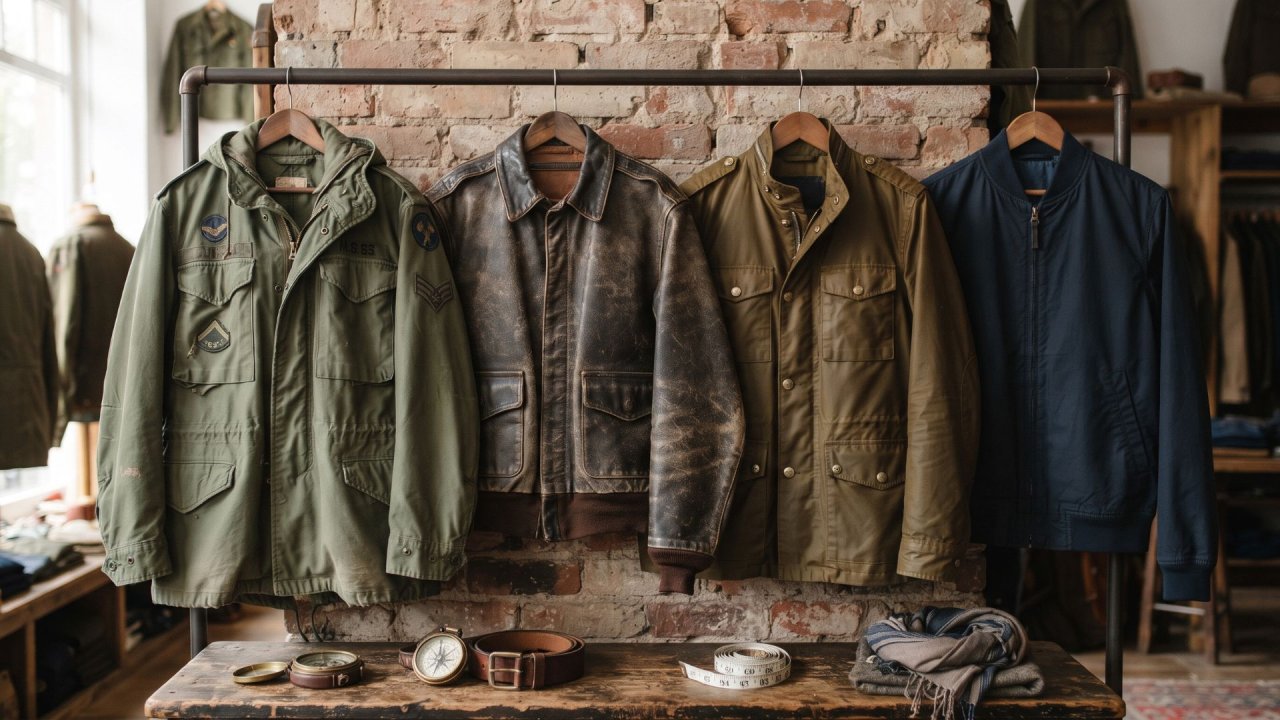
Field Jacket
A hip-length or longer jacket with four front pockets, a stand or fold-down collar, and often a hidden hood in the collar. One of the most recognisable military jackets, usually in olive or khaki.
Military Parka
A longer, warmer jacket, often with a hood and sometimes a removable liner. Popular for cold-weather wear.
Flight Jacket or Military Bomber
A short jacket with ribbed cuffs and hem, often in nylon or leather. Simple, warm, and easy to style.
Peacoat
A double-breasted wool coat with broad lapels, traditionally associated with naval wear. Smart and very versatile.
Combat Shirt-Jacket
A lighter, shirt-style jacket with chest pockets, often in ripstop or twill. Good for layering in spring and autumn.
Liner Jacket
A quilted inner layer designed to be worn under a parka or field jacket. Many people now wear liners on their own as light jackets.
Officer and Dress-Style Jackets
Structured, tailored jackets with buttons and sometimes decorative details. These have a smarter, ceremonial look.
Camouflage Jackets
Field and combat jackets in printed camouflage patterns, popular in streetwear.
Genuine Surplus vs. Military-Inspired Jackets
Genuine Military Surplus
Jackets produced for military use and later sold through surplus channels. They often have practical labels, stencils, or contract details inside, durable fabric, and functional hardware.
Military-Inspired Jackets
Fashion jackets designed to look military. They may use lighter fabric, decorative pockets, and modern sizing.
Which Should You Choose?
- Genuine surplus: tough, authentic, often more affordable than you expect, but sizing and condition vary.
- Military-inspired: easier sizing and lighter weight, but less durable and less authentic.
Both are valid choices. Just make sure the description is honest about which one you are buying.
How to Check a Military Jacket’s Age and Origin
No single clue proves a jacket is genuine or how old it is. Check several signs together.
Read the Inside Label
Many surplus jackets have a label with size, fabric content, and production details. Compare it with reliable references for the type of jacket.
Look for Stencils and Markings
Some jackets have printed or stamped markings. Fading and wear on these marks can suggest age.
Check the Hardware
Zips, snaps, and buttons on military clothing are usually heavy-duty. Hardware can be replaced, so use it as one clue only.
Feel the Fabric
Genuine field jackets often use heavy cotton blends, twill, or ripstop. Thin, stretchy fabric suggests a fashion copy.
Check the Construction
Look for reinforced seams, bar tacks at stress points, and sturdy pocket stitching.
Consider Wear and Repairs
Natural fading, mended seams, and soft wear on cuffs and collars often appear on genuine used jackets.
Be Careful With “Rare” Claims
A jacket described as rare or historically important should come with evidence. If the seller cannot explain it, treat the claim with caution.
Patches, Insignia and Markings
Many surplus jackets have patches, names, or insignia, or marks where they were removed.
- Describe them honestly in listings or when asking sellers.
- Do not assume a patch is original to the jacket, since patches are often added later.
- Be aware of local rules. Some countries have rules about wearing current military insignia, medals, or uniforms in a way that suggests you are serving. If in doubt, choose plain jackets or remove insignia, and check local guidance.
- Removed patches can leave darker fabric or stitch holes. Check whether this affects the look you want.
Condition Problems to Check
- Zips: test the main zip and every pocket zip. Military zips are heavy and can be costly to replace.
- Snaps and buttons: missing, loose, or rusted fastenings.
- Pocket flaps and corners: tears and split stitching.
- Collar and cuffs: fraying and staining.
- Hood and drawcords: missing cords or torn channels.
- Lining: tears, stains, or missing liners on jackets designed to have them.
- Fabric: thin spots, holes, and heavy fading on one side.
- Wool coats: moth holes and pilling.
- Nylon jackets: cracking, stickiness, or peeling coating.
- Stains and smell: stored surplus can hold musty odours.
Light fading and small repairs are part of the look. Large holes, broken zips, and heavy staining reduce value.
How Military Sizing Works
Military jackets often use sizing systems that look different from everyday labels.
Size and Length Combinations
Many surplus jackets list a size and a length, such as small with a regular or long length. This helps match chest size and arm or body length.
Chest-Based Sizes
Some labels give chest measurements instead of small, medium, or large.
Generous Cuts
Field jackets and parkas are often cut roomy so they fit over layers.
Always Use Measurements
Labels can be confusing, so rely on these:
- Chest (pit to pit): measured flat across the chest.
- Shoulder width: from seam to seam.
- Sleeve length: from shoulder seam to cuff.
- Body length: from collar to hem.
Compare with a jacket you already own and like.
If You Are Between Sizes
Choose based on how you will wear it. For layering over hoodies or knitwear, go slightly larger. For a neater look, choose the closer fit.
How to Style a Military Jacket
Casual Everyday Look
A field jacket over a plain tee or hoodie with straight jeans and boots or trainers.
Smart Casual Look
A peacoat or structured jacket over a knit and tailored trousers.
Layered Winter Look
A parka over a heavy knit with dark jeans and boots.
Streetwear Look
A camouflage or oversized field jacket with baggy trousers and chunky trainers.
Feminine Contrast
A military jacket over a simple dress or skirt with ankle boots.
Light Layer Look
A liner jacket or shirt-jacket over a tee in spring and autumn.
Styling Rule
Wear one military piece at a time. Combining several military items can look like a uniform or costume. Keep the rest of the outfit simple and modern.
How to Care for a Military Jacket
- Check the label first, if readable.
- Close zips and snaps before washing.
- Wash in cold water on a gentle cycle with mild detergent, or spot clean where possible.
- Avoid bleach and high heat, which can fade or weaken fabric and damage hardware.
- Air dry on a sturdy hanger to keep the shoulders in shape.
- Dry clean or spot clean wool coats such as peacoats.
- Store in a cool, dry place with moth protection for wool.
- Repair small tears early, especially on pocket corners.
Where to Buy a Military Jacket
- Online vintage stores: clear photos, measurements, and condition notes. Vintike focuses on carefully selected vintage pieces with clear descriptions, so shoppers can buy with confidence.
- Military surplus shops: a good source of genuine jackets, though selection and condition vary.
- Resale apps and marketplaces: large variety and competitive prices. Check reviews and ask for close-ups of labels and zips.
- Vintage fairs and markets: try jackets on and inspect them in person.
- Fashion brands: for military-inspired styles in modern sizing.
Tips for Buying a Military Jacket Online
- Read the full description, including fabric, size, and condition.
- Compare measurements with a jacket you already own.
- Zoom in on the label, zips, pockets, cuffs, and collar.
- Ask whether the jacket is genuine surplus or military-inspired.
- Ask about patches, removed insignia, and liners.
- Confirm delivery time and the returns policy.
Common Mistakes When Buying a Military Jacket
- Buying by label size instead of measurements.
- Ignoring broken zips and missing snaps.
- Assuming every jacket is genuine surplus.
- Believing “rare” claims without evidence.
- Wearing several military pieces at once.
- Washing wool coats on hot or in the dryer.
- Forgetting to check local rules about insignia.
Frequently Asked Questions About Military Jackets
What is a military jacket?
It is a jacket based on clothing designed for armed forces, such as field jackets, parkas, flight jackets, and peacoats, usually with sturdy fabric and practical pockets.
What is the most popular military jacket style?
The field jacket is one of the most popular, thanks to its four pockets, durable fabric, and versatile shape.
How can I tell if a military jacket is genuine surplus?
Check the inside label, markings, fabric, hardware, and construction together. Buy from sellers who can explain how they identify their stock.
How does military jacket sizing work?
Many jackets use size and length combinations or chest measurements. Always use the jacket’s measurements and compare them with one you own.
Can women wear military jackets?
Yes. Military jackets are unisex, and many women wear them oversized over dresses, knits, or jeans.
How do I wash a military jacket?
Close zips and snaps, wash in cold water on a gentle cycle or spot clean, avoid bleach and high heat, and air dry. Dry clean wool coats.
Is it okay to wear jackets with patches or insignia?
In many places it is fine as fashion, but some countries have rules about wearing current insignia or medals. Check local guidance, and choose plain jackets if unsure.
Where can I buy a vintage military jacket?
You can buy from online vintage stores, surplus shops, resale apps, and vintage fairs. Choose sellers who show clear photos, measurements, and honest condition notes.
Conclusion
A military jacket is one of the most useful and timeless pieces you can add to a vintage wardrobe. Choose the style that suits you, decide whether you want genuine surplus or a military-inspired jacket, check the label, zips, and fabric, and use measurements instead of size labels. Wear one military piece at a time, keep the rest of the outfit simple, and care for the jacket so it lasts for years.
Ready to find your next jacket? Explore the collection at Vintike and discover vintage clothing selected for style and quality.