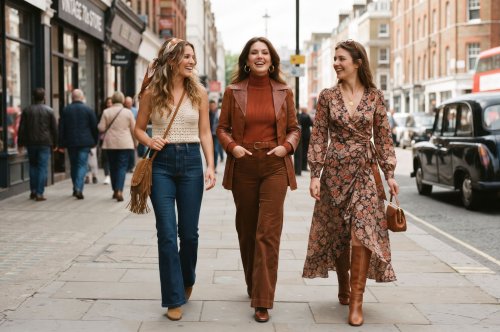
70s Clothes Women: Key Styles, Signature Pieces and How to Wear Them Today
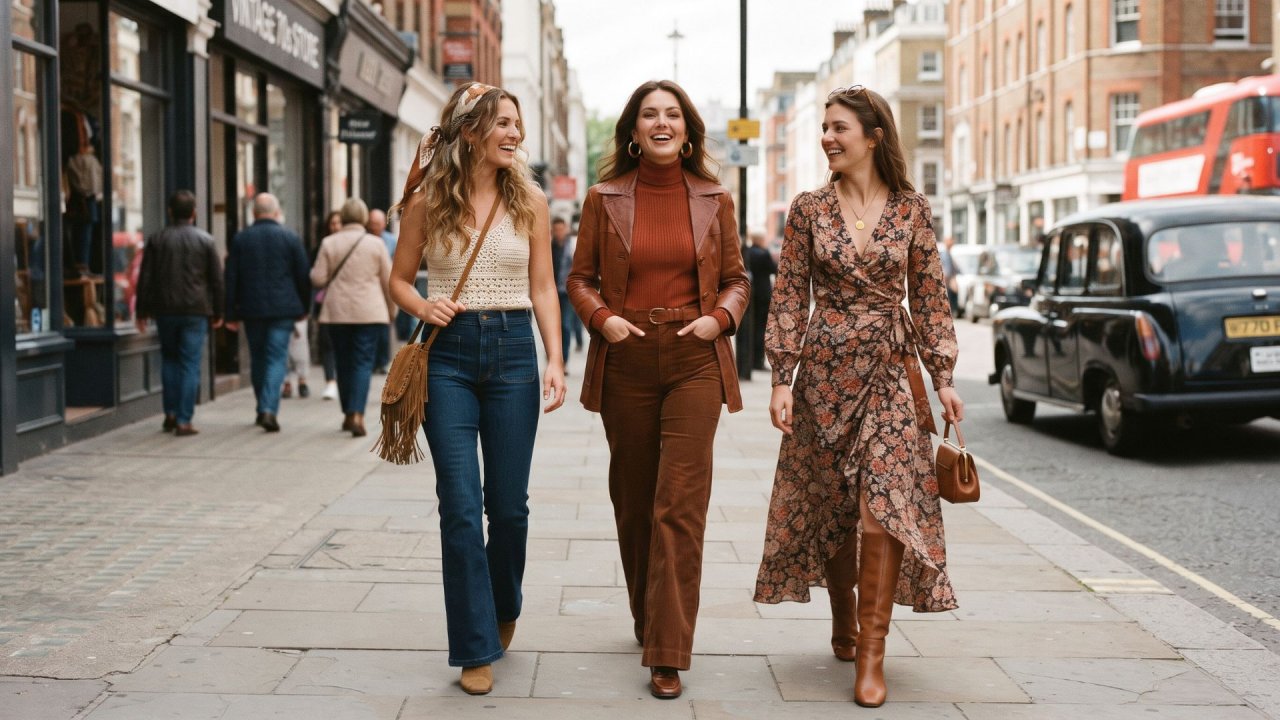
70s Clothes Women: Key Styles, Signature Pieces and How to Wear Them Today
The 1970s were a decade of freedom and self-expression. Women’s fashion moved between flowing boho dresses, sharp trouser suits, glittering disco outfits, and practical denim, often in the same wardrobe. Flared jeans, wide-leg trousers, wrap dresses, suede jackets, and platform shoes defined a look that still feels relaxed, confident, and easy to wear.
This guide focuses only on 1970s womenswear: the main styles of the decade, the signature pieces, the fabrics and colours, how to build modern outfits, and how to buy and care for original 70s clothing.
Read More: https://vintike.com/blog/vintage-clothing/90s-streetwear
What Defined 70s Fashion for Women?
Freedom of Choice
There was no single “correct” look. Women wore long skirts, minis, trousers, and jumpsuits depending on mood and occasion.
Trousers Everywhere
Trousers became fully accepted for work, evenings, and daily life, from flares to wide-leg suits.
A Love of Nature and Craft
Earthy colours, handmade details, crochet, embroidery, and natural textures were everywhere.
Nightlife and Glamour
Dance culture brought shine, stretch fabrics, and bold evening looks.
Long, Flowing Silhouettes
Long hemlines, high waists, and wide legs created a tall, fluid line.
The Main 70s Womenswear Styles
Boho and Hippie
Flowing maxi dresses, peasant blouses, fringe, crochet, patchwork, suede, and layered jewellery. Relaxed, natural, and free-spirited.
Folk and Prairie
High necks, ruffles, tiered skirts, small floral prints, and puffed sleeves. Romantic and modest.
Disco
Shiny jumpsuits, halter tops, wrap dresses, metallic fabrics, and platform shoes. Made for dancing.
Tailored and Workwear
Trouser suits, wide-leg trousers, shirt dresses, blazers, and turtlenecks. Polished and confident.
Glam Rock
Bold colours, glitter, satin, high platforms, and dramatic layers.
Sporty and Casual
Tracksuit tops, ringer tees, denim shorts, striped knits, and sneakers.
Late-70s Punk
Ripped tees, leather jackets, safety pins, tartan, and dark layers. A rebellious contrast to the softer looks.
Signature 70s Clothes for Women
Flared and Bell-Bottom Jeans
Fitted through the hip and widening dramatically from the knee. The defining 70s silhouette.
High-Waisted Wide-Leg Trousers
Long, fluid trousers that sit at the natural waist, often in polyester, wool, or corduroy.
Maxi Dresses
Floor-length dresses in florals, paisleys, and solid colours.
Prairie Dresses
Tiered skirts, ruffled collars, and puffed sleeves in small prints.
Wrap Dresses
Jersey dresses that tie at the waist, flattering and easy to wear.
Peasant Blouses
Loose tops with gathered necklines, embroidery, and billowing sleeves.
Halter Tops
Tops that tie behind the neck, popular for summer and nightlife.
Jumpsuits
One-piece outfits with wide legs, from casual denim to glamorous disco versions.
Suede and Fringe Jackets
Earthy, textured jackets with fringe or stitching details.
Knitted Vests, Cardigans and Turtlenecks
Layering pieces in ribbed, patterned, or chunky knits.
Shirt Dresses
Collared, button-front dresses, often belted.
A-Line and Midi Skirts
Skirts in denim, suede, corduroy, or printed fabrics.
Platform Shoes, Clogs and Knee-High Boots
Footwear that added height and drama.
Accessories
Wide-brimmed hats, headscarves, large sunglasses, hoop earrings, layered necklaces, and macramé or fringe bags.
70s Fabrics, Colours and Patterns
Fabrics
Polyester and polyester blends, jersey, denim, corduroy, suede, crochet, cheesecloth, cotton voile, and velvet.
Colours
Mustard, rust, burnt orange, olive, chocolate brown, cream, and avocado green, alongside jewel tones and metallics for evening wear.
Patterns
Paisley, small and large florals, geometric prints, stripes, patchwork, and psychedelic swirls.
How to Wear 70s Clothes Today
Choose One 70s Hero Piece
Flares, a maxi dress, or a suede jacket can lead the outfit while the rest stays modern.
Embrace the High Waist
High-waisted flares and wide-leg trousers look best with tucked-in or cropped tops.
Balance Volume
Pair wide legs with a fitted top, or a flowing top with slimmer bottoms.
Use Earthy Colours as Accents
Add a rust, mustard, or olive piece to a neutral outfit.
Mix With Modern Basics
A plain white tee with flares and clean trainers feels current, not costume-like.
Keep Accessories Selective
One hat, belt, or statement necklace is enough.
70s Outfit Ideas for Women
Casual Everyday Look
A fitted tee, high-waisted flared jeans, and platform sandals or trainers.
Boho Look
A peasant blouse, a suede skirt or flares, and ankle boots.
Smart Look
A tailored blazer, a turtleneck, and wide-leg trousers with heeled boots.
Evening Look
A wrap dress or jumpsuit with simple heels and hoop earrings.
Summer Look
A halter top, a midi skirt, and sandals.
Autumn Layered Look
A knitted vest over a blouse, corduroy trousers, and a suede jacket.
Original 70s vs. 70s-Inspired Clothing
Original 70s
Made in the decade, now around 50 years old. These pieces are true vintage, often well made, but sometimes delicate.
70s-Inspired
Newly made in a 70s style, often with modern fabrics and sizing. They should be described honestly as inspired or retro, not vintage.
How to Tell the Difference
- Labels and tags: compare logo style, font, and layout with reliable references. Some original pieces are home-made or have no label.
- Fabric feel: older polyester often feels heavier and different from modern blends.
- Zips and fastenings: metal zips are common on older pieces, though hardware can be replaced.
- Construction: seam finishing and hems often differ from modern fast fashion.
- Fit: original 70s cuts are usually high-waisted and slim through the hip.
- Price: a rare piece priced like new fast fashion deserves more questions.
What to Check Before Buying 70s Clothing
- Polyester: pilling, snags, and odours that can be hard to remove.
- Crochet and knitwear: snags, holes, and unravelling.
- Suede and leather: dryness, stains, and stiff patches.
- Corduroy: worn or flattened ribs on knees and seat.
- Denim: thinning in the crotch, thighs, and hems on flares.
- Cheesecloth and voile: small tears and weak seams.
- Zips and buttons: test every fastening.
- Underarms and necklines: stains and discolouration.
- Alterations: check whether hems or waists have been changed.
Light fading and soft wear are part of the look. Holes, split seams, and deep stains reduce value and wearability.
How to Choose the Right Size
Use Measurements, Not Labels
70s sizing often runs much smaller than modern sizing.
Measurements That Matter
- Tops and dresses: bust (pit to pit), waist, hip, shoulder width, and length.
- Trousers and jeans: waist, rise, hip, thigh, inseam, and leg opening.
- Skirts: waist, hip, and length.
Remember the High Rise
70s trousers sit at the natural waist. Measure there, not where you wear modern jeans.
Check Length on Flares
Long flares were designed to be worn with platforms. Check the inseam and think about the shoes you will wear.
Flat Measurements
Many sellers measure flat. Double the bust, waist, and hip numbers to estimate the full circumference.
If You Are Between Sizes
Choose the larger size and ask a tailor to adjust.
How to Care for 70s Clothing
- Check the care label if it is readable.
- Hand wash delicate fabrics such as cheesecloth, voile, and crochet in cool water.
- Wash polyester and denim gently in cold water, turned inside out.
- Avoid high heat and the dryer.
- Air dry flat or on a padded hanger.
- Use a specialist cleaner for suede and leather.
- Fold knitwear and crochet instead of hanging them.
- Store in a cool, dry place away from direct sunlight, with moth protection for wool.
Where to Buy 70s Clothes for Women
- Online vintage stores: clear photos, measurements, and condition notes. Vintike focuses on carefully selected vintage pieces with clear descriptions, so shoppers can buy with confidence.
- Resale apps and marketplaces: large variety and competitive prices. Check reviews and ask for close-ups of labels and flaws.
- Vintage fairs and markets: try pieces on and inspect them in person.
- Thrift and charity shops: affordable, though selection varies.
- Brands with 70s-inspired collections: useful for modern sizing and new condition.
Tips for Buying 70s Clothing Online
- Read the full description, including fabric, size, and condition.
- Compare measurements with a similar piece you own, especially the waist and inseam.
- Zoom in on labels, seams, zips, and wear areas.
- Ask about odours on polyester and suede.
- Ask whether the piece has been altered.
- Confirm delivery time and the returns policy.
Common Mistakes With 70s Clothes
- Wearing a full head-to-toe 70s look.
- Buying by label size instead of measurements.
- Ignoring the high rise and long inseam on flares.
- Overlooking odours and pilling on polyester.
- Washing delicate fabrics on high heat.
- Paying vintage prices for 70s-style copies.
- Mixing too many bold prints at once.
FAQ's
What did women wear in the 70s?
Women wore flared jeans, wide-leg trousers, maxi and prairie dresses, wrap dresses, peasant blouses, jumpsuits, suede jackets, knitwear, and platform shoes, depending on the style.
What are the main 70s womenswear styles?
Boho, folk and prairie, disco, tailored workwear, glam rock, sporty casual, and late-70s punk.
Is 70s clothing considered vintage?
Yes. Clothing is generally considered vintage when it is at least 20 years old, so original 1970s pieces qualify.
How do I wear 70s clothes without looking like a costume?
Choose one hero piece, balance proportions, use earthy colours as accents, and mix with modern basics.
What are the best 70s pieces to start with?
High-waisted flared jeans, a peasant blouse, a maxi dress, and a suede jacket are easy to style.
How can I tell if a piece is genuine 70s?
Check the label, fabric, zips, construction, and fit together, and buy from sellers who can explain how they date their items.
What size should I buy in 70s clothing?
Use the garment’s measurements, especially waist, rise, and inseam. Original 70s sizes often run small.
Where can I buy 70s clothes for women online?
You can buy from online vintage stores, resale apps, and marketplaces. Choose sellers who show clear photos, measurements, and honest condition notes.
Conclusion
70s clothes for women are relaxed, expressive, and easy to wear. Choose the style that suits you, start with one hero piece, embrace the high waist and long lines, and keep the rest of the outfit simple. Check fabrics, fastenings, and measurements when buying original pieces, and care for them gently so they last.
Ready to find your next piece? Explore the collection at Vintike and discover vintage clothing selected for style and quality.