90s Streetwear: Origins, Key Pieces, Collectible Graphics and How to Wear It Today
90s Streetwear: Origins, Key Pieces, Collectible Graphics and How to Wear It Today
Today streetwear is a global fashion category, but in the 1990s it was something smaller and rawer: clothing made by and for skaters, surfers, musicians, graffiti artists, and city kids. Oversized graphic tees, heavy hoodies, baggy denim, and bold logos came from scenes, not runways. That authenticity is exactly why original 90s streetwear is now so sought after.
This guide looks at 90s streetwear as a culture: where it came from, the core pieces, how to spot genuine 90s graphics and labels, what makes certain pieces collectible, and how to wear the look today. For full decade wardrobes, see our guides to 90s mens fashion and female 90s fashion.
Read More: https://vintike.com/blog/vintage-clothing/1950s-fashion-men
Where 90s Streetwear Came From
Skate Culture
Skaters needed durable, loose clothing they could move in. Baggy jeans, work trousers, graphic tees, and hoodies became the uniform, and small skate labels printed their own designs.
Surf Culture
Surf labels brought bold graphics, bright colours, and relaxed fits from the beach into cities.
Hip-Hop
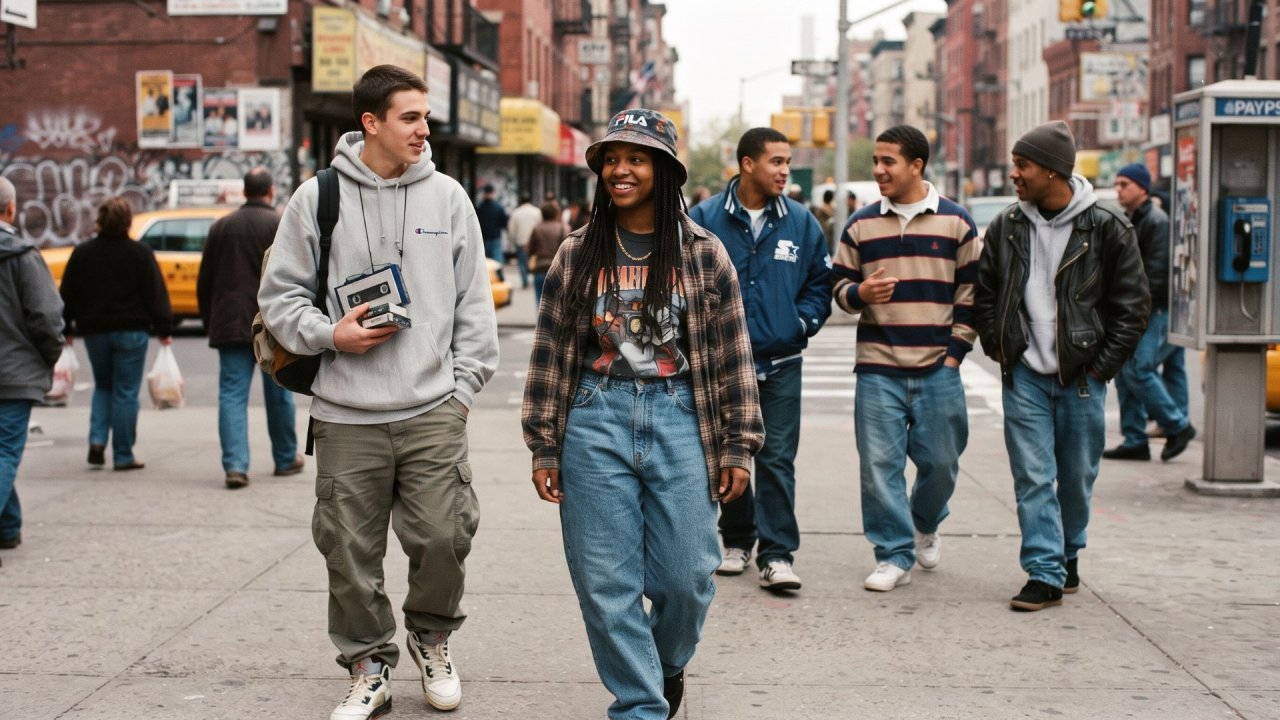
Music shaped what fans wore: oversized denim, big sweatshirts, sports jerseys, bomber jackets, and statement caps.
Graffiti and Street Art
Hand-drawn lettering, tags, and illustration styles found their way onto t-shirts and hoodies.
Basketball and Sport
Jerseys, warm-up jackets, shorts, and trainers moved from courts to everyday wear.
Club and Rave Scenes
Bright colours, playful graphics, and oversized shapes came from dance culture, especially in Europe.
What Made 90s Streetwear Different
Small, Independent Labels
Many streetwear labels started with a few designs printed in small batches and sold in local shops or through word of mouth.
Graphics First
The print was often the main point of the garment. Bold logos, illustrations, and slogans carried the message.
Limited Runs
Designs were often made in small quantities and not reprinted, which is why some original pieces are rare today.
Oversized Fits
Loose, boxy shapes were standard, partly for comfort and partly for attitude.
Mixing Influences
Skate, music, sport, and workwear pieces were combined freely in one outfit.
Core 90s Streetwear Pieces
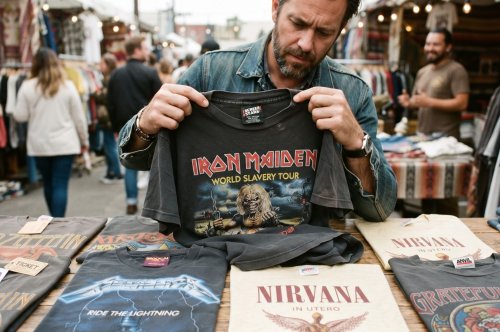
Oversized Graphic Tees
Heavy cotton tees with large front or back prints. The foundation of the look.
Heavyweight Hoodies and Sweatshirts
Thick fleece with big logos, embroidery, or illustrated designs.
Baggy Jeans and Work Trousers
Wide-leg denim and sturdy work pants, often worn low and long.
Sports Jerseys
Basketball, football, and hockey-style jerseys worn as everyday tops.
Windbreakers and Track Jackets
Colour-blocked nylon jackets with zip pockets.
Puffer Jackets
Chunky, bold-coloured winter jackets.
Workwear Jackets
Canvas and chore jackets borrowed from practical work clothing.
Cargo Pants and Shorts
Loose utility fits with large pockets.
Caps, Beanies and Bucket Hats
Headwear was a key part of almost every outfit.
Chunky Trainers and Skate Shoes
Footwear finished the look, from wide skate shoes to bulky basketball trainers.
Accessories
Chain wallets, backpacks, bandanas, and small shoulder bags.
How to Spot Genuine 90s Streetwear
No single clue proves a piece is from the 1990s. Check several signs together.
Read the Labels
Look at fonts, layout, fabric content, and country of origin, and compare with reliable references for the label and period. Many small labels changed their tags over the years, which can help date a piece.
Check the Print
Original screen prints often show natural cracking and fading that match the rest of the garment. Very crisp prints with uniform “distressing” may be newer.
Look for Copyright Dates
Some graphics include a small date near the design. It helps estimate when the design was created, though a garment could be printed later.
Feel the Fabric
Many 90s tees and hoodies used heavy cotton that feels thick and boxy. Thin, stretchy fabric often suggests a modern piece.
Check the Stitching
Single-stitch hems appear on some older tees, but they are only one clue, since some modern shirts copy this detail.
Look at the Fit
Original 90s cuts are usually wide in the body and shorter in proportion than many modern oversized pieces.
Be Careful With Reprints
Popular designs are often reprinted or copied. Ask how a seller dates the piece, and be wary of “rare” claims without evidence.
What Makes 90s Streetwear Collectible?
- Graphic strength: bold, memorable designs attract more buyers.
- Rarity: limited runs and early designs are harder to find.
- Label history: pieces from a label’s early years often hold more interest.
- Condition: clean garments with strong prints are worth more.
- Cultural link: designs connected to specific scenes, events, or moments.
- Size: larger sizes are often in demand because of oversized styling.
- Current trends: interest in certain looks can rise and fall quickly.
Check recent sold listings, not asking prices, to understand real value.
What to Check Before Buying 90s Streetwear
- Prints: cracking, peeling, or missing sections.
- Collars and cuffs: stretching, fraying, and stains.
- Underarms: yellowing and thin spots.
- Hoodie cuffs and hems: stretched or loose ribbing.
- Drawcords and zips: missing cords and broken zips.
- Denim: crotch, thigh, and hem wear.
- Nylon jackets: cracking, stickiness, or torn linings.
- Smell: stored clothing can hold musty or smoky odours.
Light fading and soft cracking are part of the vintage look. Large holes, heavy staining, and badly damaged prints reduce value.
How to Size 90s Streetwear
Use Measurements, Not Labels
90s sizing is often roomier than modern sizing, and fits differ between labels.
Measurements That Matter
- Tees, hoodies and jackets: chest (pit to pit), length, shoulder width, and sleeve length.
- Jeans and trousers: waist, rise, thigh, inseam, and leg opening.
Decide How Oversized You Want It
Some buyers want a true 90s oversized fit, others want a relaxed modern fit. Compare with something you already own.
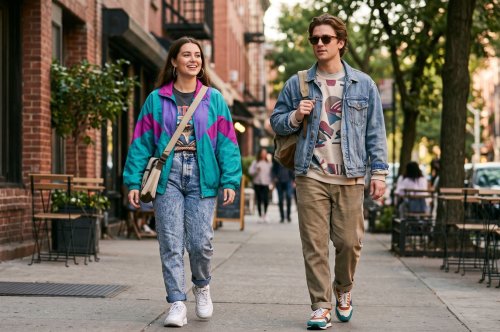
How to Wear 90s Streetwear Today
Pick One Statement Piece
A bold graphic tee, a colour-block jacket, or a vintage hoodie can lead the outfit.
Balance the Proportions
If everything is oversized, the look can swallow you. Pair a big top with straight trousers, or baggy jeans with a regular-fit top.
Keep the Rest Simple
Let the graphic or logo be the focus, with plain basics around it.
Choose Modern Footwear
Clean trainers or simple skate shoes keep the outfit current.
Mix Eras Carefully
Combine 90s pieces with modern essentials rather than wearing a full head-to-toe throwback.
90s Streetwear Outfit Formulas
The Classic
Oversized graphic tee + straight or baggy jeans + skate shoes.
The Layered
Hoodie + workwear jacket + relaxed jeans + beanie.
The Sporty
Jersey or track jacket + plain tee + wide trousers + chunky trainers.
The Winter
Puffer jacket + heavyweight hoodie + dark jeans + boots or trainers.
The Summer
Graphic tee + cargo shorts + cap + simple trainers.
How to Care for 90s Streetwear
- Check the care label if it is readable.
- Turn graphic tees and hoodies inside out before washing.
- Wash in cold water on a gentle cycle with mild detergent.
- Avoid bleach and the dryer, which can crack prints and shrink cotton.
- Air dry flat to keep the shape.
- Do not iron directly on prints.
- Fold heavy hoodies and tees instead of hanging them, to protect necklines.
- Store away from direct sunlight to prevent fading.
Where to Buy 90s Streetwear
- Online vintage stores: clear photos, measurements, and condition notes. Vintike focuses on carefully selected vintage pieces with clear descriptions, so shoppers can buy with confidence.
- Resale apps and marketplaces: large variety, but check reviews and ask for close-ups of labels and prints.
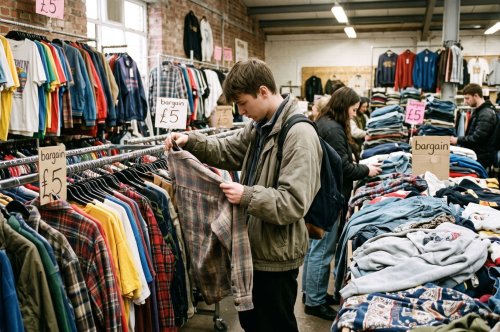
- Vintage fairs and markets: inspect fabric and prints in person.
- Thrift and charity shops: occasional great finds, though selection is unpredictable.
Common Mistakes When Buying 90s Streetwear
- Paying vintage prices for reprints.
- Judging age by one detail, such as stitching alone.
- Ignoring print damage and thin fabric.
- Buying by label size instead of measurements.
- Wearing every piece oversized at once.
- Washing printed pieces on high heat.
- Believing “rare” claims without evidence.
FAQ's
What is 90s streetwear?
It is casual clothing that grew out of skate, surf, hip-hop, graffiti, sport, and club scenes in the 1990s, known for oversized fits and bold graphics.
What were the key 90s streetwear pieces?
Oversized graphic tees, heavyweight hoodies, baggy jeans, jerseys, windbreakers, puffer jackets, cargo pants, caps, and chunky trainers.
How can I tell if streetwear is genuinely from the 90s?
Check the label, print wear, fabric weight, stitching, fit, and any copyright date together, and buy from sellers who can explain how they date their items.
Why is some 90s streetwear expensive?
Limited runs, strong graphics, early label history, and good condition can make certain pieces rare and collectible.
Is 90s streetwear unisex?
Yes. Most pieces were cut loose and are worn by men and women alike.
How do I wear 90s streetwear without looking dated?
Choose one statement piece, balance proportions, keep the rest simple, and add modern footwear.
How should I wash vintage graphic tees and hoodies?
Turn them inside out, wash in cold water on a gentle cycle, avoid bleach and the dryer, and air dry flat.
Where can I buy 90s streetwear online?
You can buy from online vintage stores, resale apps, and vintage fairs. Choose sellers who show clear photos of labels, prints, and measurements.
Conclusion
90s streetwear came from real scenes and real communities, which is why original pieces still feel so authentic. Learn where the style came from, check labels, prints, and fabric before buying, use measurements instead of size labels, and balance oversized pieces with modern basics. Start with one strong graphic tee or hoodie and build from there.
Ready to find your next piece? Explore the collection at Vintike and discover vintage clothing selected for style and quality.