1950s Fashion Men: Key Styles, Signature Pieces and How to Wear Them Today
1950s Fashion Men: Key Styles, Signature Pieces and How to Wear Them Today
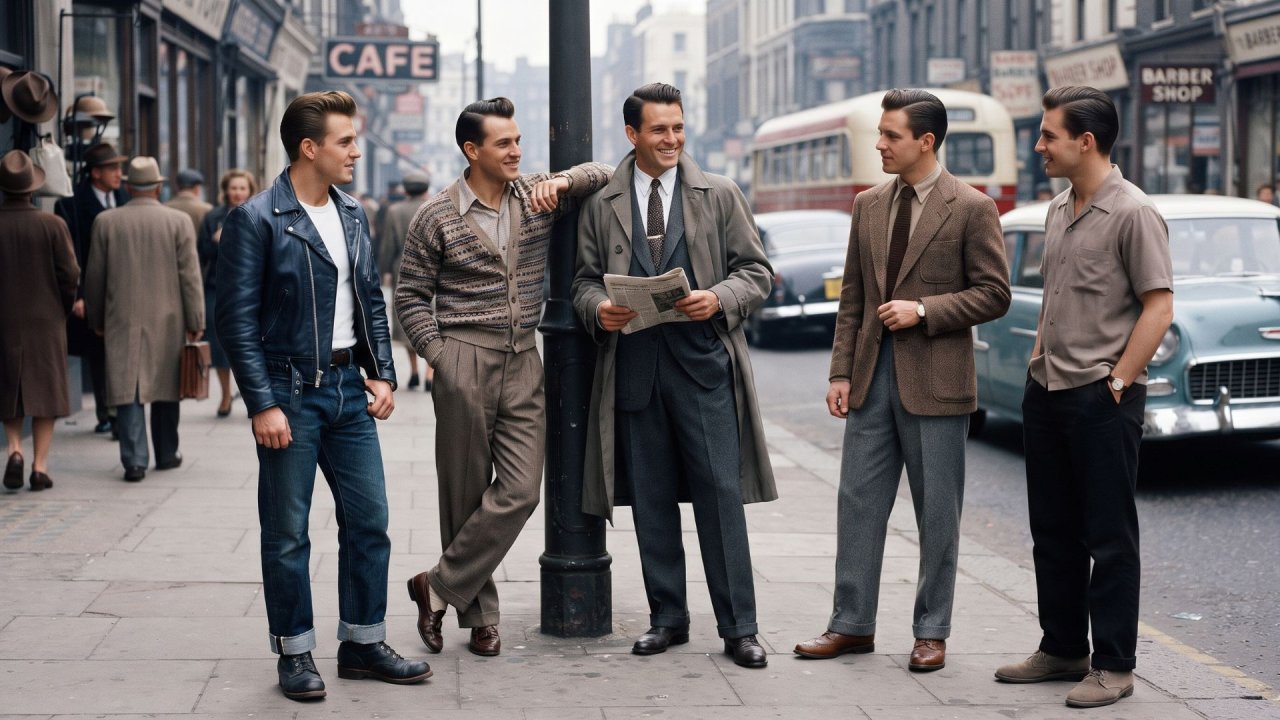
The 1950s gave menswear some of its most enduring looks. Sharp suits, neat knitwear, short-sleeved camp collar shirts, rolled-cuff denim, and leather jackets all came into their own during the decade. Some men dressed conservatively for the office, while younger men created bold new styles of their own. That mix of polish and rebellion is why 1950s men’s fashion still inspires vintage lovers today.
This guide focuses only on 1950s menswear: the main styles, the signature pieces, the fabrics and colors, how to build a modern 50s-inspired outfit, and how to buy and care for original pieces.
Read More: https://vintike.com/blog/vintage-clothing/military-jacket
What Defined 1950s Men’s Fashion?
A Return to Order
After the war years, many men embraced tidy, well-fitted clothing. Suits, ties, and hats were everyday wear for work and formal occasions.
The Rise of Youth Style
For the first time, young people had their own fashion. Denim, leather, and casual shirts became symbols of a new, independent generation.
More Leisure Time
Holidays, sport, and weekends encouraged relaxed clothing, such as short-sleeved shirts, knitwear, and casual trousers.
High-Waisted Silhouettes
Trousers sat high on the waist, often with pleats, giving a long, clean line.
The Main 1950s Menswear Styles
The Business Suit
Single-breasted suits in grey, navy, and brown, usually with narrow ties, crisp white shirts, and polished shoes. Neat, conservative, and practical.
Ivy and Collegiate Style
Button-down shirts, crew-neck jumpers, cardigans, chinos, blazers, and loafers. A smart, relaxed look associated with university campuses.
Rockabilly and Greaser
Rolled-cuff jeans, white or black t-shirts, leather jackets, work boots, and slicked-back hair. Rebellious, simple, and confident.
Teddy Boy
A British style with long, drape-cut jackets, narrow trousers, fancy waistcoats, thin ties, and thick-soled shoes. Sharp, dramatic, and distinctive.
Leisure and Resort Wear
Camp collar shirts, printed or bold short-sleeved shirts, light trousers, and casual shoes for holidays and weekends.
Workwear
Denim, chore jackets, work shirts, and sturdy boots worn for practical jobs, and later adopted as everyday fashion.
Signature 1950s Clothes for Men
Tailored Suits
Well-fitted jackets with moderate lapels and trousers with a high rise. Often worn with a waistcoat in cooler months.
Camp Collar Shirts
Short-sleeved shirts with an open, flat collar. Worn untucked or tucked, often in solid colors, stripes, or bold prints.
Bowling Shirts
Boxy, short-sleeved shirts, often with contrast panels or two-tone designs.
Button-Down Shirts
Crisp cotton shirts with buttoned collar points, central to the ivy look.
High-Waisted Pleated Trousers
Wide, comfortable trousers that sit at the natural waist, often with turn-ups at the hem.
Rolled-Cuff Jeans
Straight, dark denim with turned-up hems. A defining rockabilly piece.
Plain T-Shirts
Simple white or black tees, worn as outerwear rather than underwear for the first time by many young men.
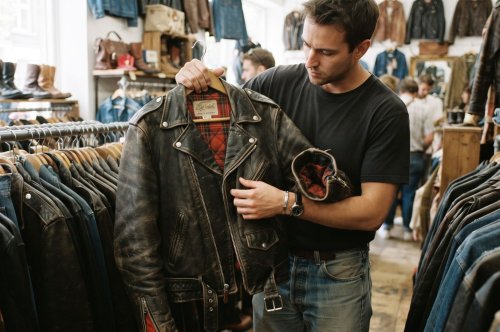
Leather Jackets
Short, sturdy jackets that became symbols of youth rebellion.
Cardigans and Knitwear
Cardigans, crew necks, V-necks, and knitted shirts in soft colors.
Overcoats and Car Coats
Tailored wool coats and shorter car coats for cooler weather.
Accessories
Narrow ties, tie clips, pocket squares, brimmed hats, leather belts, braces, loafers, brogues, and work boots.
1950s Fabrics, Colors and Patterns
Fabrics
Wool and wool flannel for suits, cotton for shirts and chinos, gabardine for trousers and jackets, rayon for leisure shirts, heavy denim, and leather.
Colors
Grey, navy, charcoal, and brown for tailoring. Pastels such as mint, pale blue, and soft yellow for shirts and knits. Black and white for rockabilly. Bold reds and two-tone combinations for bowling and leisure shirts.
Patterns
Pinstripes, small checks, houndstooth, plaid, stripes, atomic and abstract prints, and tropical designs on holiday shirts.
How to Wear 1950s Style Today
Choose One 50s Hero Piece
A camp collar shirt, bowling shirt, or pair of pleated trousers can lead the outfit while the rest stays modern.
Respect the Fit
The 50s look depends on clean tailoring. Make sure shoulders sit correctly and trousers fall neatly.
Embrace the High Rise
High-waisted trousers create the classic silhouette. Tuck in shirts to show it off.
Keep Colors Simple
Use neutrals as a base and add one pastel or bold accent.
Mix With Modern Basics
Clean trainers, simple tees, and modern outerwear stop the look from feeling like a costume.
1950s Outfit Ideas for Men
Casual Rockabilly Look
A plain white tee, dark rolled-cuff jeans, a leather jacket, and boots.
Summer Leisure Look
A camp collar shirt, light pleated trousers, and loafers.
Ivy Look
A button-down shirt, crew-neck jumper, chinos, and loafers.
Smart Office Look
A grey or navy suit, white shirt, narrow tie, and polished shoes.
Weekend Look
A bowling shirt, straight jeans, and simple trainers.
Cool-Weather Look
A cardigan over a knitted shirt, wool trousers, and a car coat.
Original 1950s vs. 50s-Inspired Clothing
Original 1950s
Made in the decade, now around 70 years old. These pieces are true vintage, often rare, and can be delicate.
50s-Inspired
Newly made in a 1950s style, often with modern fabrics and sizing. They are easier to find and wear, and should be described honestly as inspired or reproduction.
How to Tell the Difference
- Labels and tags: compare fonts, layout, and fabric content with reliable references. Some original pieces have no label or a tailor’s label.
- Construction: older garments often show hand finishing, generous seam allowances, and careful tailoring.
- Fastenings: many 1950s trousers use button flies or metal zips, and side adjusters instead of belt loops. Hardware can be replaced, so use it as one clue only.
- Fabric feel: older wool, gabardine, and rayon often feel different from modern blends.
- Cut: high rises, full legs, and boxy shirts suggest the era.
- Price: a genuine piece in good condition is usually priced to match. Be careful with deals that seem too good to be true.
What to Check Before Buying 1950s Clothing
- Wool suits and coats: moth holes, thin patches, and worn lining.
- Rayon shirts: weak seams, fading, and shrinkage risk.
- Collars and cuffs: fraying and staining.
- Underarms: discolouration and fabric weakness.
- Trouser crotch and seat: thinning and split seams.
- Zips and buttons: test every fastening.
- Leather jackets: dryness, cracks, and lining damage.
- Alterations: check whether hems or waists have been changed.
- Smell: stored wool and old fabrics can hold musty odours.
Light wear and soft fading are normal. Large holes, weak fabric, and deep stains reduce value and wearability.
How to Choose the Right Size
Use Measurements, Not Labels
Sizing has changed considerably since the 1950s, and many pieces were tailored to individuals.
Measurements That Matter
- Jackets and shirts: chest (pit to pit), shoulder width, sleeve length, and body length.
- Trousers: waist, rise, hip, thigh, inseam, and leg opening.
Understand the Rise
1950s trousers sit higher than modern ones. Measure your natural waist, not where you usually wear jeans.
Know the Shirt Fit
Camp collar and bowling shirts are often boxy and slightly cropped, designed to be worn untucked.
If You Are Between Sizes
Choose the larger size and ask a tailor to adjust. Jackets are hardest to alter at the shoulders, so prioritise a good shoulder fit.
How to Care for 1950s Clothing
- Check the care label if it is readable.
- Dry clean or carefully spot clean wool suits and coats.
- Hand wash rayon and delicate shirts in cool water, and dry flat or on a padded hanger.
- Wash cotton and denim gently in cold water.
- Avoid high heat and the dryer.
- Store tailoring on shaped hangers, with moth protection for wool.
- Keep pieces in a cool, dry place away from direct sunlight.
- Use a specialist cleaner or tailor for fragile or valuable items.
Where to Buy 1950s Men’s Fashion
- Online vintage stores: clear photos, measurements, and condition notes. Vintike focuses on carefully selected vintage pieces with clear descriptions, so shoppers can buy with confidence.
- Specialist vintage dealers: good for genuine 1950s tailoring and rarer items.
- Vintage fairs and markets: try pieces on and inspect them in person.
- Resale apps and marketplaces: large variety, but check reviews and ask for label photos.
- Reproduction brands: for 50s-inspired clothing in modern sizes.
Tips for Buying 1950s Clothing Online
- Read the full description, including fabric, size, and condition.
- Compare measurements with a similar piece you own.
- Zoom in on labels, seams, fastenings, and lining.
- Ask whether the piece is original or reproduction.
- Ask about alterations and repairs.
- Confirm delivery time and the returns policy.
Common Mistakes With 1950s Men’s Fashion
- Wearing a full head-to-toe 50s look instead of one or two pieces.
- Buying by label size instead of measurements.
- Ignoring the high rise on trousers.
- Overlooking moth damage on wool.
- Washing rayon or wool on high heat.
- Paying original prices for reproductions.
- Choosing jackets that do not fit at the shoulders.
FAQ's
What did men wear in the 1950s?
Men wore tailored suits, button-down and camp collar shirts, high-waisted trousers, cardigans, leather jackets, rolled-cuff jeans, and hats, depending on age and style.
What are the main 1950s men’s styles?
The business suit, ivy or collegiate style, rockabilly or greaser, Teddy Boy, leisure and resort wear, and workwear.
How do I dress 50s style today?
Choose one 50s hero piece, focus on fit, embrace the high rise, keep colors simple, and mix with modern basics.
What is a camp collar shirt?
It is a short-sleeved shirt with a flat, open collar, often boxy and worn untucked, closely linked to 1950s leisure wear.
Is 1950s clothing hard to find?
Original pieces are rarer and often delicate, since they are around 70 years old. Reproductions are easier to find.
How can I tell if a piece is genuine 1950s?
Check the label, construction, fastenings, fabric, and cut together, and buy from sellers who can explain how they date their items.
What size should I buy?
Use the garment’s measurements, especially shoulder width and rise, and compare them with clothes you already own.
Where can I buy 1950s men’s clothing online?
You can buy from online vintage stores, specialist dealers, resale apps, and reproduction brands. Choose sellers who show clear photos, measurements, and honest condition notes.
Conclusion
1950s men’s fashion combines sharp tailoring, relaxed leisure wear, and youthful rebellion. Choose the style that suits you, start with one hero piece, respect the fit and high rise, and keep the rest of your outfit simple. When buying original pieces, check fabric, seams, and measurements carefully, and care for them gently so they last.
Ready to find your next piece? Explore the collection at Vintike and discover vintage clothing selected for style and quality.