What Did Cowboys Wear? A Guide to Authentic Cowboy Clothing and Why It Worked
What Did Cowboys Wear? A Guide to Authentic Cowboy Clothing and Why It Worked
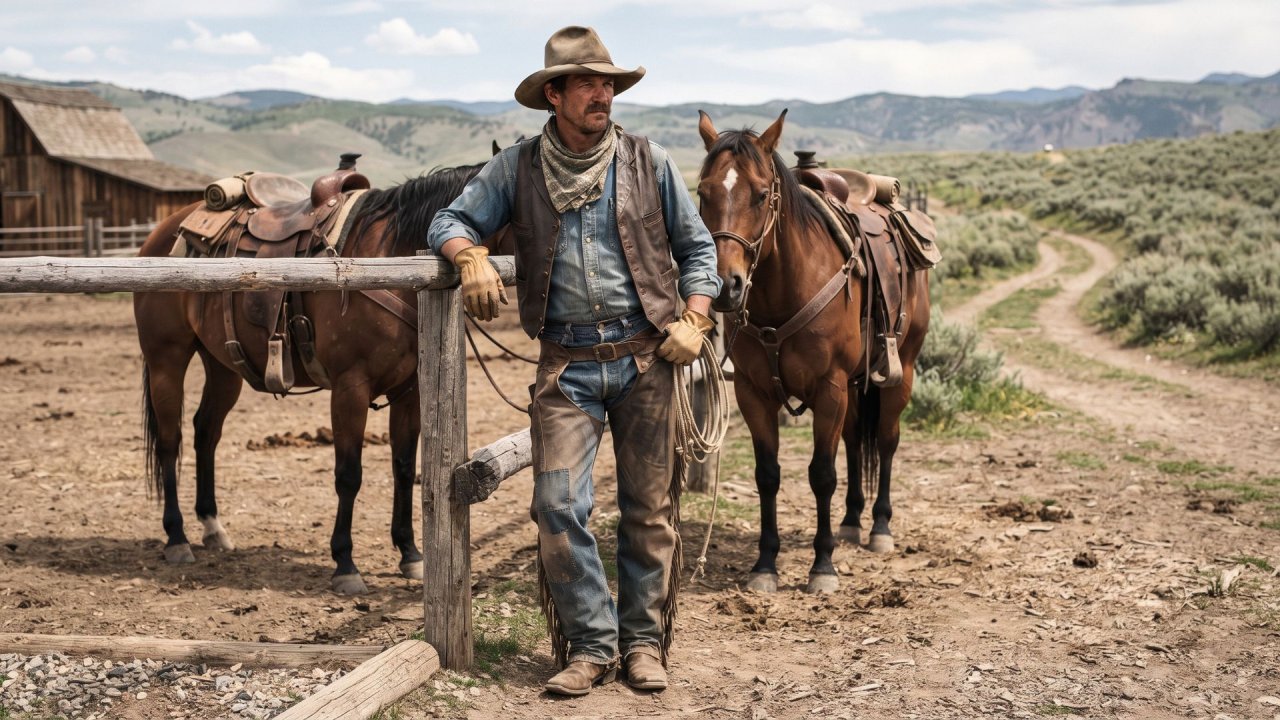
The short answer: Working cowboys of the 19th-century American West wore a wide-brimmed hat, a sturdy cotton or wool shirt, a vest, durable trousers or denim, a bandana, leather boots with a raised heel, and often chaps and gloves. Every piece had a job: protecting the rider from sun, dust, rope, brush, weather, and long days in the saddle.
This guide explains what cowboys wore, why each item existed, how the look changed over time, and how to wear cowboy-inspired clothing today.
Read More: https://vintike.com/blog/vintage-clothing/80s-clothes-women
Why Cowboy Clothing Looked the Way It Did
Function Came First
Cowboys worked outdoors for long hours, often in extreme heat, cold, wind, and dust. Clothing had to be tough, practical, and easy to repair.
Protection From the Land
Brush, thorns, rope, and animals could injure skin quickly. Thick fabrics and leather were everyday protection, not decoration.
Limited Choices
Supplies were limited in remote areas, so clothing was often bought in bulk, repaired often, and worn until it fell apart.
Style Came Later
Many details that look decorative today began as practical solutions. Over time, riders added personal touches, and the look grew into a symbol of the West.
The Cowboy Hat
What It Looked Like
A wide-brimmed hat with a tall crown, usually made from felt or similar sturdy material.
Why It Mattered
- Sun protection: the brim shaded the face and neck.
- Rain and snow: the brim and crown shed water.
- Multi-purpose: a hat could carry water, fan a fire, or signal across distances.
Variations
Crown height, brim width, and shape varied by region and personal preference, from tall and wide to lower and more practical styles.
Shirts
What They Looked Like
Simple, loose-fitting shirts in cotton, wool, or flannel, often in plain colors, checks, or muted stripes. Many pulled on over the head or had a short button placket.
Why They Mattered
- Layering: easy to add or remove with temperature changes.
- Durability: heavy fabrics survived rough work.
- Comfort: loose cuts allowed free movement.
Shirt Style Today
Decorative yokes, snap fastenings, and embroidery became more common in later western wear and stage costume. Our guide to the western shirt explains those details.
Vests
What They Looked Like
Sleeveless waistcoats in wool, cotton, or leather, often with pockets.
Why They Mattered
- Extra warmth without restricting the arms.
- Pocket space for small tools and personal items, since pockets elsewhere were limited.
- Layering: easy to wear under a coat or over a shirt.
Trousers and Denim
What They Looked Like
Sturdy wool, canvas, or cotton trousers, and later denim jeans with reinforced seams. Cuts were usually straight and practical, with room for riding.
Why They Mattered
- Durability: reinforced seams and heavy fabric lasted longer.
- Riding comfort: straight legs fit easily over boots.
- Easy to repair: simple construction made patching straightforward.
Denim became strongly linked with the West because it was affordable, tough, and hard-wearing.
Chaps
What They Looked Like
Leather leg coverings worn over trousers, fastened at the waist and legs. Styles included straight “shotgun” shapes and fuller, winged designs.
Why They Mattered
- Brush protection: they shielded legs from thorns and scrub.
- Weather protection: some styles helped block wind and cold.
- Saddle comfort: leather provided an extra layer between rider and saddle.
Chaps were most common in regions with thick brush and less common in open, flat country.
Boots
What They Looked Like
Leather boots with a pointed or rounded toe, a raised heel, and a tall shaft.
Why They Mattered
- Heel: helped keep the foot secure in the stirrup.
- Tall shaft: protected the lower leg from brush and debris.
- Smooth sole: allowed the foot to slip out of the stirrup quickly in an emergency.
- Pointed toe: made it easier to slide into the stirrup.
Boots were often the most valuable item a cowboy owned, and many were resoled and repaired many times.
The Bandana
What It Looked Like
A large square of cotton, usually folded and tied around the neck.
Why It Mattered
- Dust protection: pulled over the nose and mouth on dusty trails.
- Sun protection: shielded the neck.
- Sweat and cleaning: wiped the face, cleaned wounds, or served as a basic bandage.
- Warmth: helped keep the neck warm in cold wind.
Gloves
What They Looked Like
Leather work gloves, often heavy and unlined.
Why They Mattered
Gloves protected hands from rope burn, barbed wire, and rough handling of animals and equipment.
Spurs
What They Looked Like
Metal devices fixed to the boot heel, with a small wheel or rowel.
Why They Mattered
Spurs helped riders give clear signals to their horses. Their size and decoration varied widely.
Coats and Outerwear
Slickers and Waterproof Coats
Long, waterproof coats were used for rain and snow. They were practical, loose, and long enough to cover the saddle in bad weather.
Wool and Leather Jackets
Heavy coats for colder months, often thick and plain.
Blankets and Ponchos
Wool blankets and ponchos could double as bedding and extra warmth, especially on long trips.
Underlayers and Small Items
- Long underwear: thin cotton or wool layers for cold nights.
- Suspenders or belts: to hold trousers in place.
- Neckerchiefs and scarves: extra protection and warmth.
- Pocket knives, tobacco pouches and watches: practical personal items carried in vest or trouser pockets.
How Clothing Changed With the Seasons
Summer
Lighter cotton shirts, a wide brim for shade, and a bandana for dust and sweat.
Winter
Wool layers, heavy coats, gloves, and extra neck protection.
Wet Weather
Waterproof coats and a hat to keep rain off the face.
Regional Differences
Northern Plains
Heavier layers and more cold-weather gear.
Southwest
Lighter, wide-brimmed hats and more emphasis on sun protection.
Brush Country
More protective leather, such as chaps, because of dense thorny vegetation.
Spanish and Mexican Influence
Many riding traditions, tools, and clothing styles came from earlier Spanish and Mexican ranching cultures, including saddles, wide hats, and decorative leatherwork.
How Hollywood and Popular Culture Changed the Look
The Working Cowboy vs. the Screen Cowboy
Real cowboys wore plain, practical clothing. Film, stage shows, and popular entertainment added bright colours, fancy embroidery, and dramatic details.
Rodeo and Show Fashion
Competitions and performances encouraged more decorative shirts, boots, and hats, which influenced everyday western wear.
Western Wear as Fashion
By the mid-20th century, western wear had become a fashion category in its own right. Today, vintage and modern western style often mixes real workwear with stage-inspired details.
What a Typical Cowboy Outfit Looked Like
A simple summary of a working outfit:
- Wide-brimmed hat
- Cotton or wool shirt
- Vest
- Straight trousers or denim
- Bandana
- Leather belt or suspenders
- Boots with a raised heel
- Chaps, gloves, and spurs where needed
- Waterproof coat for bad weather
How to Wear Cowboy-Inspired Style Today
You do not need a costume. A few details are enough.
Pick One Western Piece
A western shirt, a pair of boots, or a leather belt can anchor the outfit.
Mix With Modern Basics
Pair a western shirt with plain jeans and clean shoes, or boots with a simple jacket.
Choose Quality Denim and Leather
Sturdy materials suit the look and last longer.
Keep Accessories Minimal
A bandana, belt, or hat is enough. Too many western items can look like fancy dress.
Look for Vintage Pieces
Older western shirts, denim, leather belts, and boots often have good construction and unique character.
Cowboy Outfit Ideas for Today
Casual Everyday Look
A western shirt, straight jeans, and boots.
Heritage Workwear Look
A canvas jacket, plain shirt, denim, and sturdy boots.
Layered Look
A vest over a flannel shirt with dark jeans.
Smart Western Look
A plain western shirt with tailored trousers and leather boots.
Dress Style
A western-inspired shirt dress or denim dress with boots and a leather belt.
What to Look For in Vintage Western Pieces
- Western shirts: check snaps, yoke stitching, collars, and cuffs.
- Denim: check crotch, thighs, and hems for wear.
- Leather items: check for dryness, cracks, and stiff or damaged stitching.
- Boots: check soles, heels, and any cracking in the leather.
- Hats: check for sweat staining, crushed crowns, and brim damage.
- Bandanas and accessories: check for fading and thinning fabric.
Always use measurements rather than size labels, since sizing has changed over time.
Where to Buy Vintage Western Clothing
- Online vintage stores: clear photos, measurements, and condition notes. Vintike focuses on carefully selected vintage pieces with clear descriptions, so shoppers can buy with confidence.
- Resale apps and marketplaces: large variety and competitive prices. Check reviews and ask for close-ups.
- Vintage fairs and markets: try pieces on and inspect them in person.
- Thrift and charity shops: affordable, though selection varies.
Common Myths About Cowboy Clothing
- Myth: Every cowboy wore fancy outfits. Most wore plain, practical clothes.
- Myth: The look never changed. Styles shifted with time, region, and popular culture.
- Myth: Everything was decorative. Most details began as practical solutions.
- Myth: Film costumes show real work clothes. Screen outfits are usually more dramatic than everyday working wear.
FAQ's
What did cowboys wear in the 1800s?
They wore wide-brimmed hats, cotton or wool shirts, vests, sturdy trousers or denim, bandanas, and leather boots with raised heels, often with chaps and gloves.
Why did cowboys wear hats with wide brims?
Wide brims shaded the face and neck from the sun and helped shed rain and snow.
Why did cowboys wear bandanas?
Bandanas protected the face from dust, the neck from sun, and could also be used to wipe sweat or as a simple bandage.
Why did cowboy boots have a raised heel?
The heel helped keep the foot secure in the stirrup, while the smooth sole let the foot slip out easily in an emergency.
What were chaps used for?
Chaps protected the legs from brush, thorns, and rough weather.
Did cowboys wear jeans?
Many did, especially later in the 19th century. Denim was durable, affordable, and well suited to riding and hard work.
Did real cowboys wear fancy clothes?
Working cowboys mostly wore plain, practical clothing. Decorative western wear became more common through rodeo, entertainment, and fashion.
How can I wear cowboy style today?
Choose one western piece such as a shirt or boots, pair it with modern basics, and keep accessories minimal.
Conclusion
Cowboy clothing was built for work. The wide-brimmed hat, sturdy shirt, vest, denim, bandana, boots, and chaps each solved a real problem, which is why the look has lasted so long and still appeals to vintage lovers today. When you wear cowboy-inspired style, choose quality pieces, keep the outfit simple, and let one or two western details do the talking.
Ready to find your next piece? Explore the collection at Vintike and discover vintage clothing selected for style and quality.