Vintage Clothing Store: How to Find a Great One and Shop Smarter
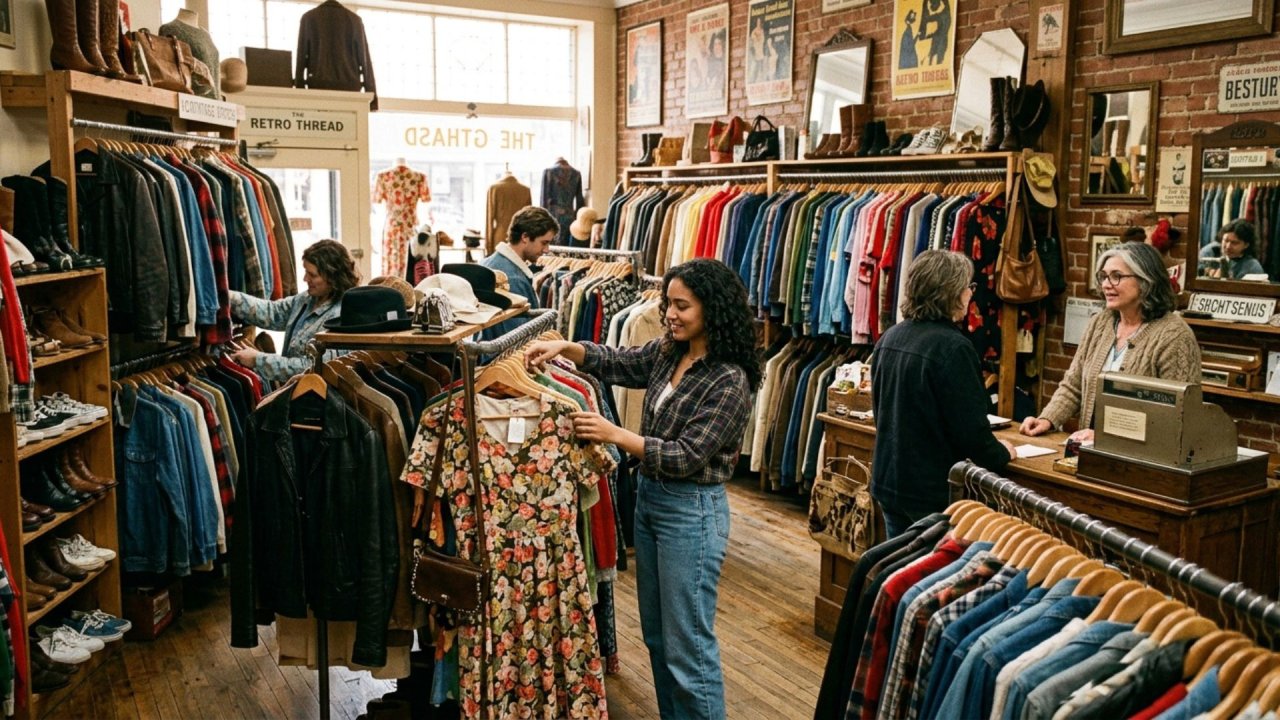
Vintage Clothing Store: How to Find a Great One and Shop Smarter
Not every vintage clothing store is the same. One shop offers carefully chosen, clean, well-described pieces. Another is a crowded rail of unsorted items with no prices or measurements. The store you choose shapes the quality of what you find, how much you pay, and how confident you feel about your purchase.
This guide explains the different types of vintage clothing stores, what separates a good one from a poor one, how stores source and price their stock, and how to shop in person or online with confidence.
Read More: https://vintike.com/blog/vintage-clothing/vintage-clothing-online
What Is a Vintage Clothing Store?
A vintage clothing store sells pre-owned clothing that is generally at least 20 years old, along with retro and secondhand pieces chosen for style and quality. Unlike a general charity shop, a vintage store usually curates its stock by era, brand, condition, or look.
Types of Vintage Clothing Stores
Independent Physical Shops
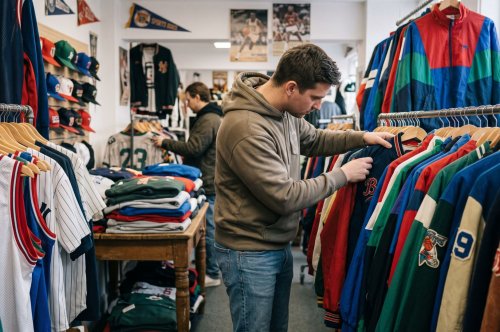
Small local stores with a hand-picked range. You can try items on, feel the fabric, and talk to the owner. Stock is limited, but the experience is personal.
Online Vintage Stores
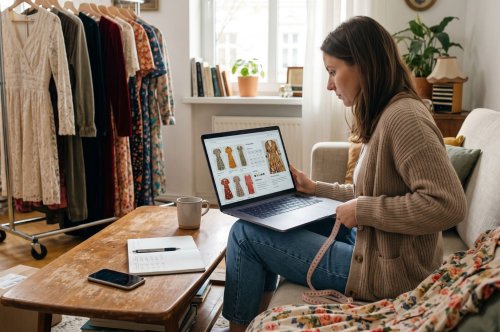
Websites that photograph, measure, and list each piece. They offer the widest choice and let you filter by size, category, and era. Royals Vintage is an example of a store focused on carefully selected pieces with clear descriptions.
Curated Vintage Boutiques
Stores with a strong theme, such as 90s sportswear, workwear, or denim. Prices are often higher, but the selection is consistent and well edited.
Consignment Stores
Shops that sell items on behalf of other people. Stock changes often, and quality depends on what the store accepts.
Market Stalls and Pop-Ups
Temporary or regular stalls at vintage fairs and markets. Good for browsing many sellers in one place, and sometimes for negotiating.
Charity and Thrift Shops
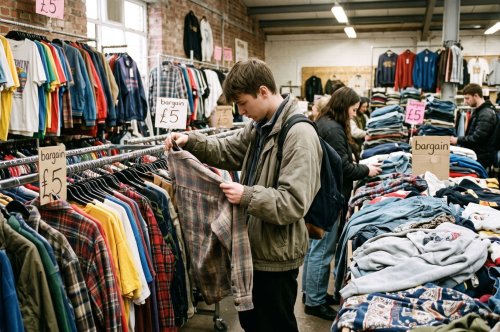
Affordable, with unpredictable stock. They reward patience and regular visits, but items are rarely sorted by era or measured.
Resale Apps and Marketplaces
Not stores in the traditional sense, but many sellers run shop-style profiles. Quality depends entirely on the individual seller.
What Makes a Good Vintage Clothing Store?
Careful Curation
A good store selects its stock. Items are clean, in wearable condition, and chosen with a clear style in mind rather than thrown together.
Honest Condition Notes
Look for stores that mention flaws openly, such as small stains, repairs, or fading. Honesty about condition builds trust.
Clear Sizing and Measurements
The best stores measure each item and list the numbers, because vintage size labels are unreliable.
Fair and Consistent Pricing
Prices should reflect brand, era, condition, and demand. A store that can explain its prices is usually a reliable one.
Knowledgeable Staff or Owner
Good sellers can tell you about an item’s era, fabric, and fit, and how to care for it.
Clean, Organised Presentation
Whether physical or online, items should be easy to browse, sorted by category or size, and well presented.
Clear Policies
Check returns, exchanges, delivery, and contact details before you buy.
How Vintage Clothing Stores Source Their Stock
Understanding sourcing helps you judge quality and price.
- Wholesale and sorted bundles: many stores buy graded vintage and secondhand stock from specialist wholesalers.
- Estate clearances and private collections: a source of unusual, well-kept pieces.
- Markets, auctions and fairs: good for individual finds.
- Direct buying from sellers: stores sometimes buy items from people who bring them in.
After sourcing, a good store inspects, cleans, repairs, measures, and photographs each piece. That extra work is part of what you pay for.
Why Vintage Store Prices Differ
- Curation and time: hand-picked, prepared items cost more than unsorted stock.
- Brand and label: sought-after labels carry higher prices.
- Era and rarity: unusual or well-preserved pieces are worth more.
- Condition: cleaner items with fewer flaws are priced higher.
- Location and overheads: shop rent and staffing affect prices in physical stores.
- Current demand: popular styles, such as 90s sportswear, rise in price quickly.
A higher price is not automatically a better deal. Compare similar items and check condition, measurements, and policies before deciding.
Tips for Shopping in a Physical Vintage Store
- Go with time: good finds need slow browsing.
- Check every item closely: collars, cuffs, underarms, seams, zips, and hems.
- Try things on: vintage sizing is inconsistent, so rely on fit.
- Smell the garment: strong odours can be hard to remove.
- Ask questions: about era, fabric, and care.
- Be polite about prices: some independent shops are open to small discounts, especially on multiple items.
- Visit regularly: stock changes often, and new pieces sell fast.
Tips for Shopping in an Online Vintage Store
- Look for real photos of the actual item, not stock images.
- Use the listed measurements and compare them with a similar garment you own.
- Zoom in on labels, collars, cuffs, and flaws.
- Read the condition note and ask for extra photos if needed.
- Check delivery times, returns, and tracking before paying.
- Start with one or two versatile items, such as a denim jacket or sweatshirt.
Physical Store vs. Online Store
Physical Store
Pros: try-on, instant purchase, direct advice.
Cons: limited stock, travel time, and smaller range of sizes.
Online Store
Pros: much wider selection, easy comparison, shop from anywhere.
Cons: no try-on, and you depend on photos and descriptions.
Many shoppers use both: local shops for browsing and an online vintage store for specific pieces and sizes.
How to Find a Vintage Clothing Store Near You
- Search maps and local listings for terms such as “vintage clothing store” or “vintage shop” with your city name.
- Check social media, since many independent stores post new arrivals and opening hours on Instagram and Facebook.
- Look at vintage fairs and market listings for pop-ups and regular events.
- Read reviews for comments about quality, prices, and service.
- Ask local communities and friends for recommendations.
- Confirm opening hours before travelling, since small shops often have limited hours.
Red Flags in a Vintage Clothing Store
- No clear photos, or stock images only.
- No measurements or condition notes.
- Modern or reproduction items sold as genuine vintage.
- Vague answers about era or origin.
- Very high prices with no explanation.
- No returns or exchange policy, or unclear contact details.
- Strong, unresolved odours or visible damage on items sold as “excellent.”
If several of these appear, shop elsewhere.
Questions to Ask a Vintage Store
- How do you date and authenticate your items?
- Are the items cleaned and checked before sale?
- Can you share measurements or extra photos?
- What is your returns or exchange policy?
- How often do you add new stock?
- Do you offer alterations, repairs, or care advice?
A confident, clear answer is a good sign.
How to Get the Most From a Vintage Clothing Store
- Decide your style and budget before you shop.
- Start with versatile pieces such as denim, jackets, sweatshirts, and knitwear.
- Prioritise fit and condition over a famous label.
- Follow your favourite stores for new drops.
- Look after your purchases with gentle washing and proper storage.
How to Care for Vintage Clothing After You Buy
- Wash gently in cold water with mild detergent, or hand wash delicate items.
- Turn prints inside out and avoid high heat.
- Air dry flat or on a padded hanger.
- Store in a cool, dry place away from direct sunlight.
- Repair loose buttons and small tears early.
Common Mistakes When Choosing a Vintage Clothing Store
- Choosing only by price.
- Ignoring condition notes and measurements.
- Trusting the size label instead of testing the fit.
- Not checking the returns policy.
- Buying too many items on a first visit or first order.
- Mistaking modern retro-style items for genuine vintage.
FAQ's
What is a vintage clothing store?
It is a shop, physical or online, that sells pre-owned clothing generally at least 20 years old, along with carefully chosen retro and secondhand pieces.
How do I find a good vintage clothing store?
Look for clear photos, honest condition notes, listed measurements, fair prices, and good reviews. For physical shops, check that the stock is clean and well organised.
Are vintage clothing stores expensive?
It depends on the store, brand, era, and condition. Curated stores usually cost more than charity shops, but the pieces are cleaned, checked, and chosen for quality.
Is it better to buy from a physical or online vintage store?
Physical stores let you try items on, while online stores offer more choice. Many shoppers use both.
How can I tell if a vintage store is genuine?
Genuine stores describe items honestly, can explain how they date their stock, and have clear policies and contact details.
Can I return items to a vintage clothing store?
It depends on the store. Many have returns or exchange policies, but some sell final sale, so always check before buying.
How do I find a vintage clothing store near me?
Search maps and social media with your city name, check local vintage fairs, read reviews, and confirm opening hours before visiting.
What should I buy first from a vintage store?
Denim jackets, sweatshirts, jeans, and knitwear are versatile, durable, and easy to style.
Conclusion
A great vintage clothing store makes shopping easier: clear descriptions, honest condition notes, sensible prices, and well-chosen pieces. Whether you browse a local shop or order from an online vintage store, check measurements, read policies, and ask questions. Start with a versatile piece and build your wardrobe from there.
Ready to explore? Visit Vintike and discover vintage clothing selected for style and quality.