Stonewash Jeans: What They Are, How to Spot Them and How to Wear Them

Stonewash Jeans: What They Are, How to Spot Them and How to Wear Them
Stonewash jeans have a soft, faded, lived-in look that feels instantly familiar. Light blue, slightly mottled, and comfortable from the first wear, they were everywhere in the 1980s and 1990s, and they are back as one of the most searched vintage denim styles.
This guide focuses only on stonewash jeans: what the finish is, how it differs from similar washes, the fits and decades to look for, how to check condition and size, and how to style and care for a pair.
Read More: https://vintike.com/blog/vintage-clothing/western-shirt
What Are Stonewash Jeans?
Stonewashing is a finishing process that softens denim and fades its colour. Traditionally, jeans were tumbled with pumice stones, which wore down the surface and created a worn, uneven, lighter look. The result is soft fabric with a faded appearance that would otherwise take years of wear.
Today, many manufacturers use other washing methods to achieve a similar look, so the term is often used for the style rather than the exact process.
Stonewash vs. Acid Wash vs. Bleach Wash
These are often confused, so here is a simple guide.
Stonewash
A soft, even fade with a lighter blue tone. It usually looks natural and slightly mottled.
Acid Wash
A stronger, high-contrast effect with white or very pale marbled patches on a darker base. Bolder and more dramatic than stonewash.
Bleach Wash
Fabric is lightened with bleach, often creating a stark, uneven pale finish.
Light Wash
A general term for any pale denim. Stonewash is one type of light wash.
Sellers use these terms loosely, so always judge by the photos.
Why Stonewash Jeans Are Popular Again
Nostalgia for 80s and 90s Style
Denim from these decades is a core part of the current retro wave.
Soft and Comfortable
The washing process makes the fabric supple, so a pair feels broken in immediately.
Easy to Style
A light blue wash goes with white tees, sweatshirts, jackets, and trainers.
Genuine Character
Original pairs have natural wear, which modern copies try to imitate.
Sustainable Choice
Wearing an existing pair keeps it in use and reduces demand for new production.
Stonewash Jeans by Decade
Dates are a guide, and styles overlap.
1980s
Tapered legs, high waists, and strong washes. Stonewash and acid wash were both popular, often with pleats, zips at the ankle, or bold stitching.
1990s
Relaxed, straight, and baggy fits in light and medium stonewash became everyday wear.
Early 2000s
Lighter washes continued, alongside bootcut and low-rise cuts, often with more heavily distressed details.
Popular Fits to Look For
Tapered or Mom Jeans
High-waisted with a roomy hip and narrower ankle. A defining 80s and 90s shape.
Straight-Leg Jeans
Classic, simple, and versatile. Easy to wear for most people.
Baggy and Relaxed Jeans
Loose through the leg, popular with 90s streetwear buyers.
Bootcut and Flared
More common in the late 90s and 2000s.
Denim Shorts and Skirts
Stonewash finishes also appear on shorts, skirts, and jackets.
How to Spot a Genuine Vintage Stonewash Pair
No single clue is enough. Check several signs together.
Check the Labels
Look at the waistband label, care label, and size tag. Compare fonts, layout, and fabric content with reliable references for the period.
Look at the Fade Pattern
Genuine wear is usually uneven and logical, with more fading at the thighs, knees, seat, and hems. A perfectly even, factory-made look can be modern.
Feel the Fabric
Older stonewash denim often feels soft, thin in places, and heavier or stiffer in others, depending on the weave. Modern fashion jeans may feel lighter and stretchier.
Check the Stretch
Many vintage pairs are 100 percent cotton with no stretch. Modern jeans often include elastane.
Inspect the Hardware
Rivets, buttons, and zips should match the era. Zips are often replaced, so use them as one clue only.
Look at the Stitching
Check seam finishing, pocket shapes, and stitch colour. Older pairs often show different construction from fast-fashion copies.
Consider the Price
A rare vintage pair priced very low deserves extra questions. A modern distressed pair priced like a collectible should be avoided.
Condition Problems to Check
Light denim shows wear and stains more clearly than dark denim, so inspect carefully.
- Crotch and inner thighs: thinning, holes, and seam splits are the most common problems.
- Knees: thin patches or holes. Distressing can be intentional, but check that the fabric is still strong.
- Hems: fraying and drag damage, especially on long or baggy pairs.
- Pockets: holes in pocket bags and loose stitching.
- Waistband and belt loops: stretching, tears, or missing loops.
- Zip and button: make sure both work smoothly.
- Stains and yellowing: common on light fabric, especially around pockets and hems.
- Uneven bleaching: spots that look accidental may be damage rather than style.
- Smell: stored denim can hold odours.
Light wear and soft fading are part of the look. Holes, split seams, and deep stains reduce value.
How to Choose the Right Size
Use Measurements, Not Labels
Sizing has changed over time, and many vintage jeans run smaller or differently shaped than modern sizes.
Measurements That Matter
- Waist: measured flat, then doubled.
- Rise: from the crotch seam to the top of the waistband.
- Hip: measured flat across the widest point, then doubled.
- Thigh: measured flat across the upper leg.
- Inseam: from the crotch seam to the hem.
- Leg opening: across the hem.
Understand the Rise
High-rise pairs sit at or above the natural waist, which can feel very different from modern mid-rise jeans.
Check for Stretch
Rigid, no-stretch denim has no give, so choose carefully.
If You Are Between Sizes
Choose the larger size and adjust the waist or hem with a tailor if needed.
How to Style Stonewash Jeans
Casual Everyday Look
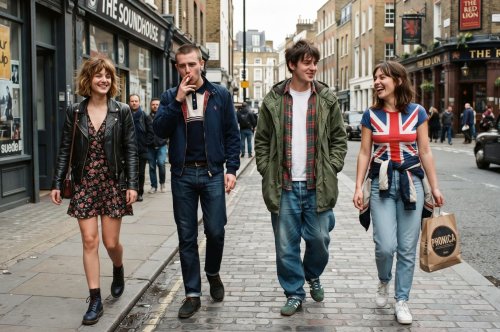
Stonewash jeans, a white tee, and clean trainers.
Retro 90s Look
Baggy or straight stonewash jeans with an oversized sweatshirt and chunky shoes.
Layered Look
Pair with a knit or flannel, plus a jacket in a darker or neutral shade.
Smart Casual Look
A tucked-in shirt or fine knit with straight stonewash jeans and loafers or boots.
Denim-on-Denim
Mix a stonewash pair with a darker denim jacket, or the reverse, so the washes contrast instead of match exactly.
Styling Rule
Let the jeans be the main feature and keep the rest of the outfit simple. Avoid wearing several heavily faded pieces at once.
How to Care for Stonewash Jeans
- Check the care label first, if it is readable.
- Wash less often. Spot clean where possible.
- Turn jeans inside out before washing.
- Wash in cold water on a gentle cycle with mild detergent.
- Avoid bleach and harsh detergents, which can cause patches and weaken the fabric.
- Air dry instead of using a hot dryer, which can shrink the fabric and stress the seams.
- Repair small tears early before they spread.
- Store folded or on a hanger in a cool, dry place away from direct sunlight.
Where to Buy Stonewash Jeans
- Online vintage stores: clear photos, measurements, and condition notes. Vintike focuses on carefully selected vintage pieces with clear descriptions, so shoppers can buy with confidence.
- Resale apps and marketplaces: large variety and competitive prices. Check reviews and ask for close-ups of the crotch, hems, and labels.
- Vintage fairs and markets: try pairs on and inspect the fabric.
- Thrift and charity shops: affordable, though selection varies and measurements are rarely given.
Tips for Buying Stonewash Jeans Online
- Read the full description, including fabric, size, and condition.
- Compare the measurements with a pair you already own.
- Zoom in on the crotch, thighs, hems, and pockets.
- Ask for extra photos of the waistband label and any flaws.
- Check whether the pair has been altered or hemmed.
- Confirm delivery time and the returns policy.
Common Mistakes When Buying Stonewash Jeans
- Buying by size label instead of measurements.
- Ignoring crotch, thigh, and hem wear.
- Confusing stonewash with acid wash or bleach wash.
- Overlooking stains on light fabric.
- Washing too often or with bleach.
- Paying vintage prices for modern distressed copies.
- Choosing a rise that does not suit you.
Frequently Asked Questions About Stonewash Jeans
What are stonewash jeans?
They are jeans that have been washed, traditionally with pumice stones, to soften the fabric and create a faded, lighter appearance.
What is the difference between stonewash and acid wash?
Stonewash is a soft, even fade. Acid wash has a stronger, high-contrast, marbled effect with paler patches.
Are stonewash jeans still in style?
Yes. Light-wash denim from the 80s and 90s is popular again, especially in straight, relaxed, and baggy fits.
How can I tell if stonewash jeans are vintage?
Check the labels, fabric, stretch, fade pattern, and hardware together. No single clue is enough, so buy from sellers who can explain how they date their items.
How do I wash stonewash jeans?
Turn them inside out, wash in cold water on a gentle cycle with mild detergent, avoid bleach, and air dry.
What size should I buy?
Use the jeans’ measurements, including waist, rise, hip, and inseam, and compare them with a pair you already own.
Can I hem or alter vintage jeans?
Often, yes. A tailor can shorten the hem or adjust the waist, depending on the fabric and construction.
Where can I buy stonewash jeans online?
You can buy from online vintage stores, resale apps, and marketplaces. Choose sellers who show clear photos, measurements, and honest condition notes.
Conclusion
Stonewash jeans combine comfort, nostalgia, and easy style. Learn the difference between stonewash and other washes, check the wear areas, use measurements instead of size labels, and care for the fabric gently so the fade lasts. Choose a fit that suits you, keep the outfit simple, and let the denim do the work.
Ready to find your next pair? Explore the collection at Vintike and discover vintage clothing selected for style and quality.